Smarto
Making energy use tangible and intuitive
Client
IKEA (Student Service Design Challenge)
Team
Agata Kowalska
Ginevra Papi
Julian Nuñez
Emily O’Connor
Tim Schnettker
Linh Dang
Industry
Retail
Discipline
Service Design, UX
Deliverables
Problem and Opportunity Statements
Design Scenarios
Service Blueprint
Business Model Canvas
Explainer Video
Year
2024
This project was developed over six months as part of the Student Service Design Challenge, in a six-person international team. My contributions spanned desk research, contextual interviews with two out of six households, workshop facilitation, ideation sessions, and the service blueprint.
The brief was to enable more sustainable lives at home. We chose to work in Kuldīga, Latvia, where we found a specific and underexplored tension: despite a shrinking population, household energy consumption remains above the EU average, which is a legacy of Soviet-era habits when energy was essentially free. Residents were aware of the problem in the abstract, but had no tangible way to connect that awareness to daily behaviour.
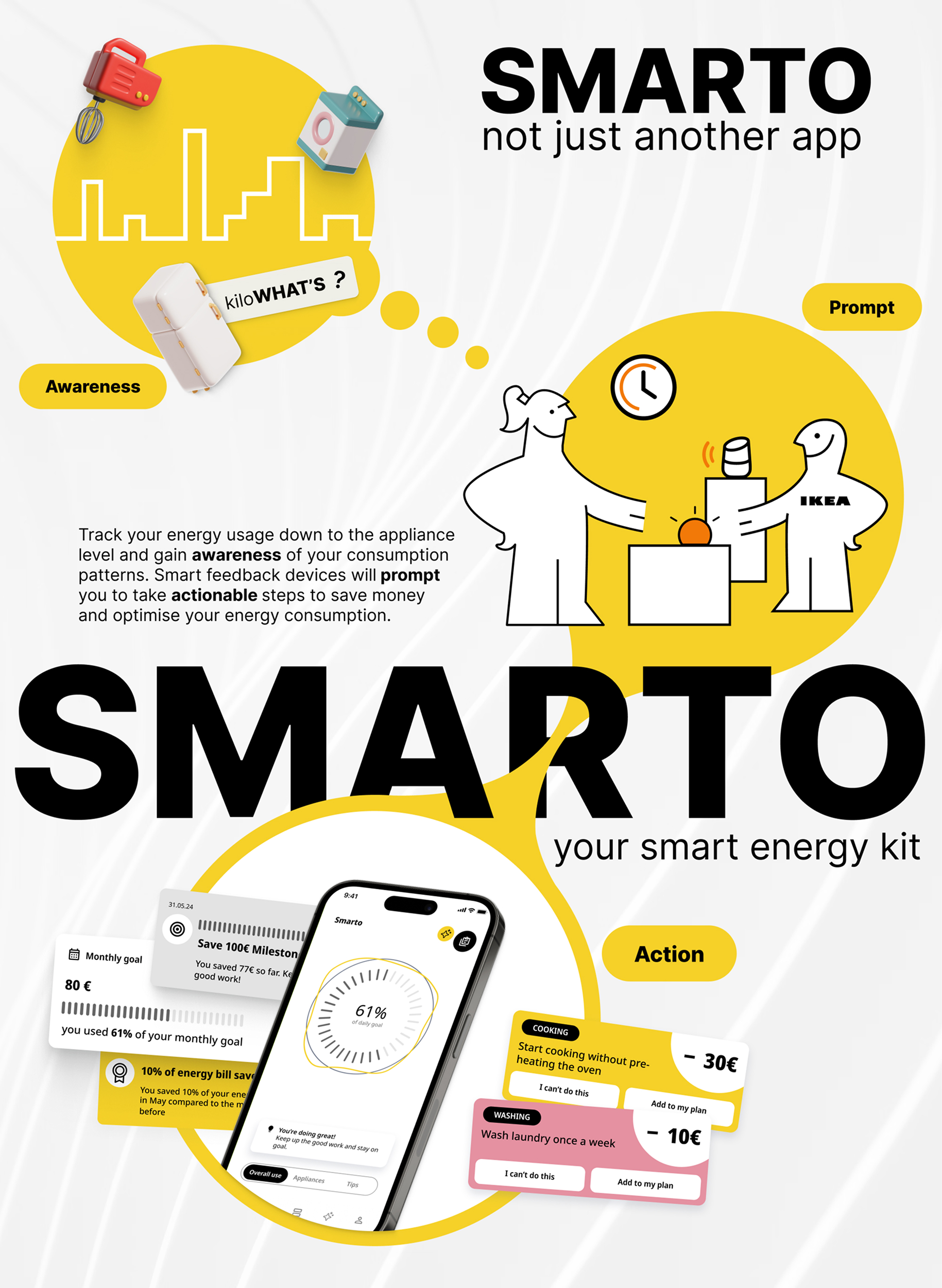
Smarto is an educational kit that makes energy use visible and actionable through daily visualisations, goal-setting, and contextualised tips. Unlike smart meters, which report data without interpretation, Smarto focuses on closing the gap between knowing and doing.
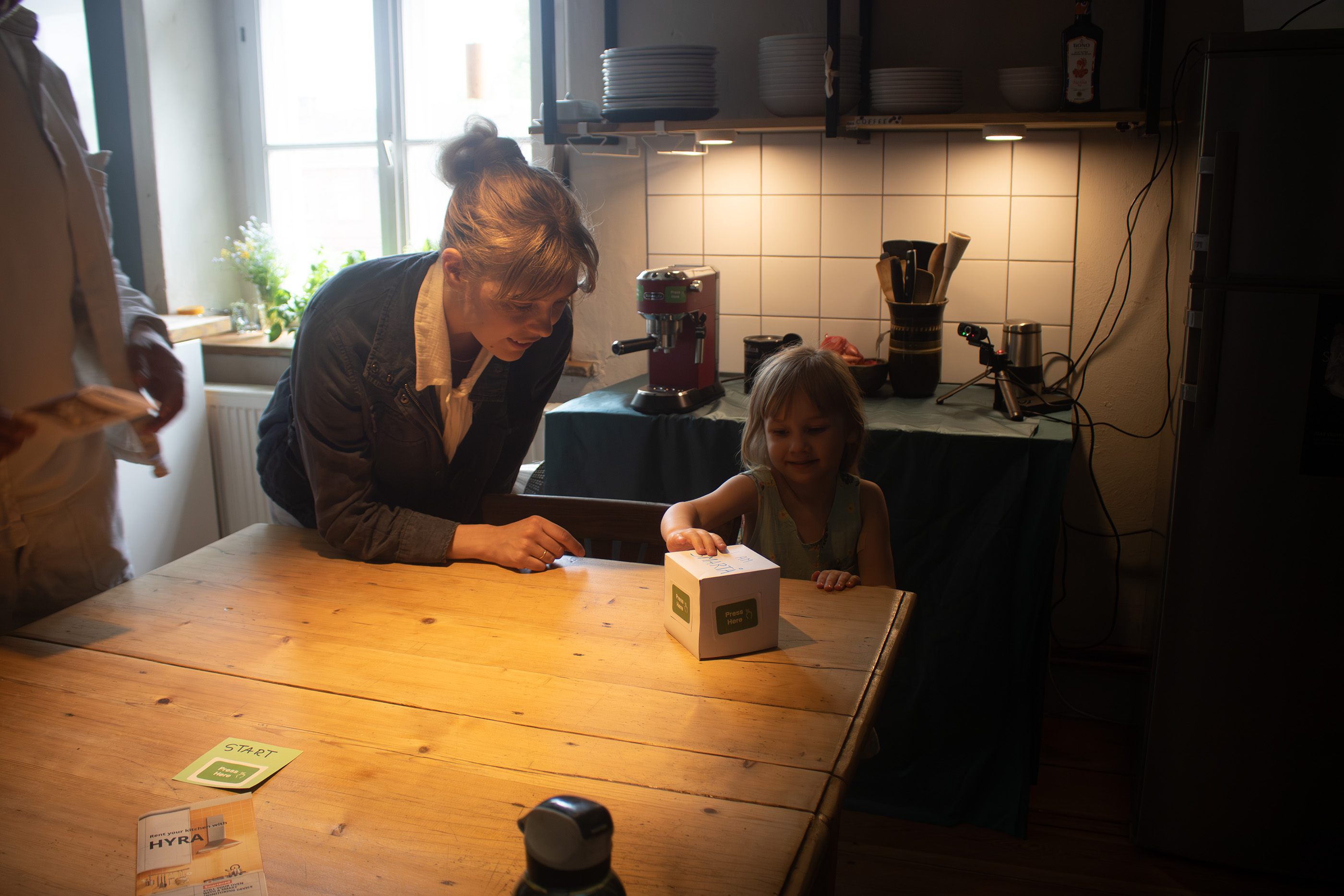
The concept reached the semi-finals of the challenge. The jury praised the team's approach to physical prototyping and the decision to involve a diverse group of real customers, noting it took genuine courage to bring the concept to life that way. They also raised a sharp question about differentiation from mandatory EU smart meters, which is a USP gap the concept would need to resolve before moving to market. Our advisor Apurva Dabhade, a UX Researcher and Research Fellow from Google, described the service as bridging the gap between intent and action in energy consumption.
From problem statement to research questions
What stood out to us from our initial research was the surprising fact that Latvia’s energy consumption remains high despite a shrinking population.
Latvia faces a challenge with high household energy consumption, surpassing the EU average in cooking, heating, and water heating. Nationally, homes lead energy consumption at 29%, beating out transport, and industry and construction.
In Kuldīga, a significant local issue involves the energy-efficient renovation of historical buildings in the UNESCO Heritage List and the ageing Soviet-era built-ups to lower heat energy costs for its residents and municipality.
Despite a declining number of households, energy use remains high, revealing a lag in energy-saving efforts. A historical disconnect, stemming from Soviet times when energy was cheap or free, leaves many in the dark about energy sources, suppliers, and bills, and sceptical about energy-efficient products. This paradox became our central research goal, driving us to explore the underlying reasons for this disconnect.
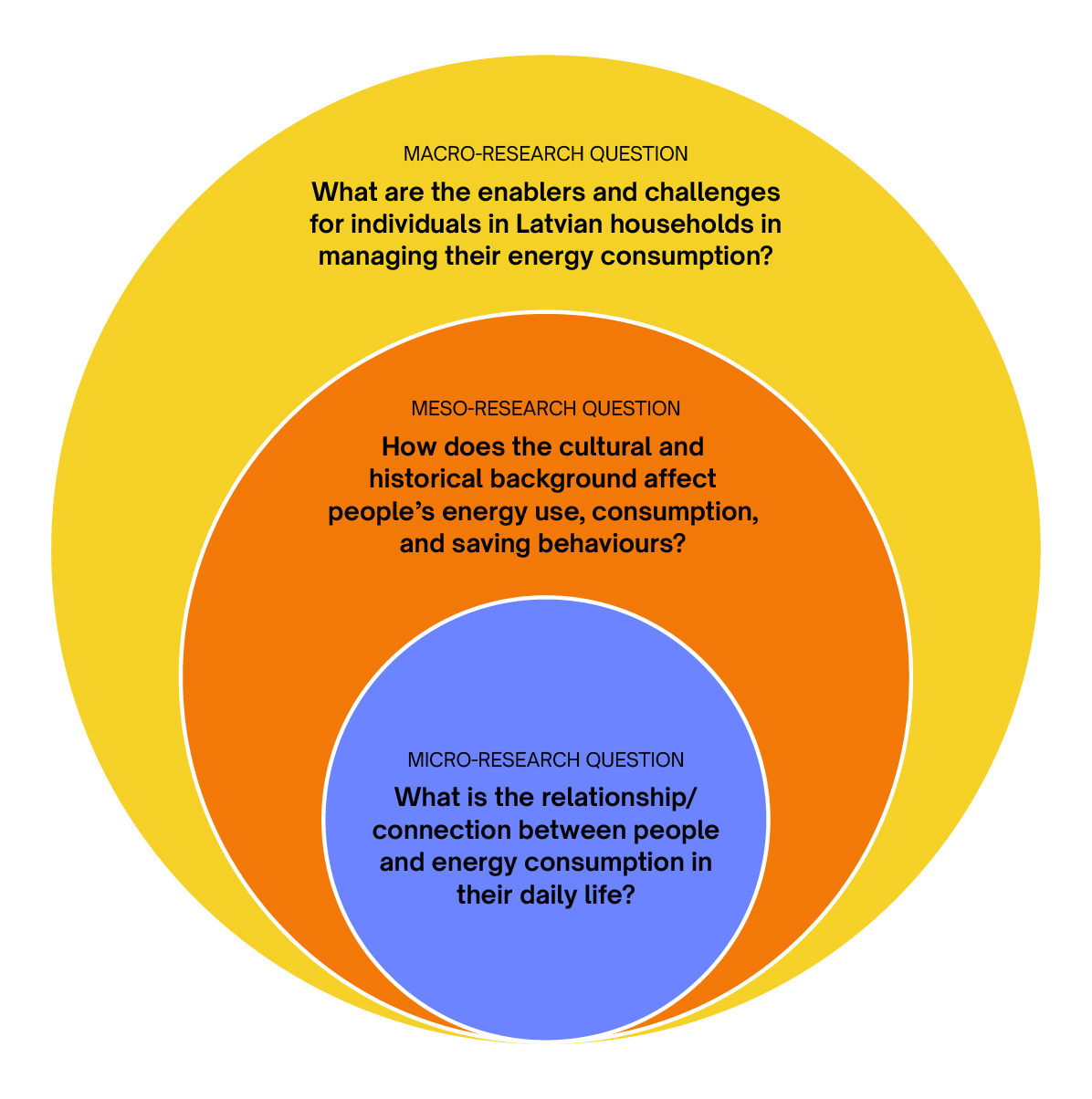
Key insights
To gain a deep understanding of local energy use, we conducted ethnographic research with six households in Kuldīga. These households reflected a diversity in size, composition, education, and employment. Through cultural probes (i.e. energy diaries, photos and videos), contextual interviews, and home visits, we explored individual energy behaviours, awareness, perceptions, motivations, and the enablers and blockers they face. This process allowed us to test and validate our assumptions, as well as identify eight key insights for each research question. Then, we clustered them around the three research questions.
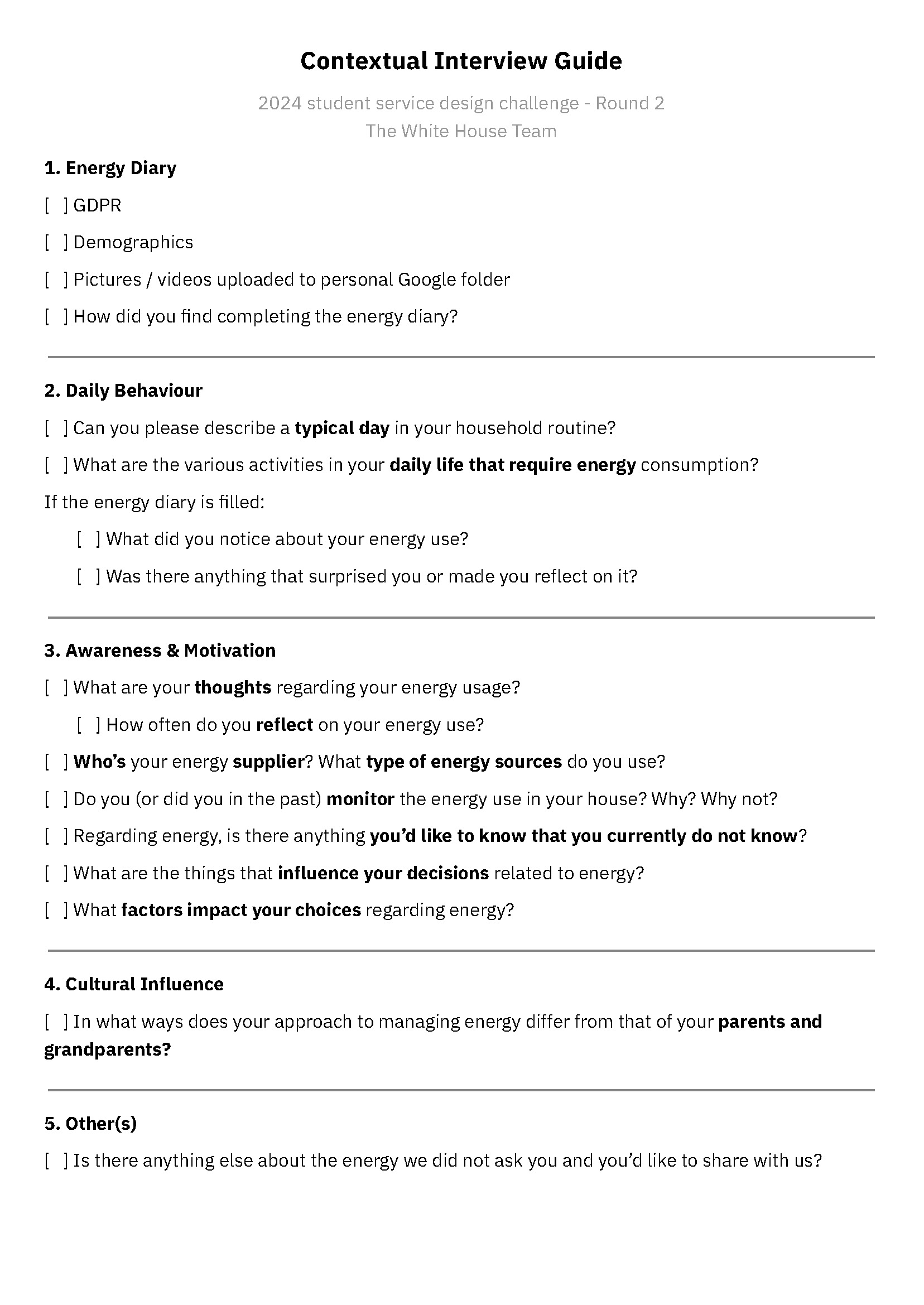
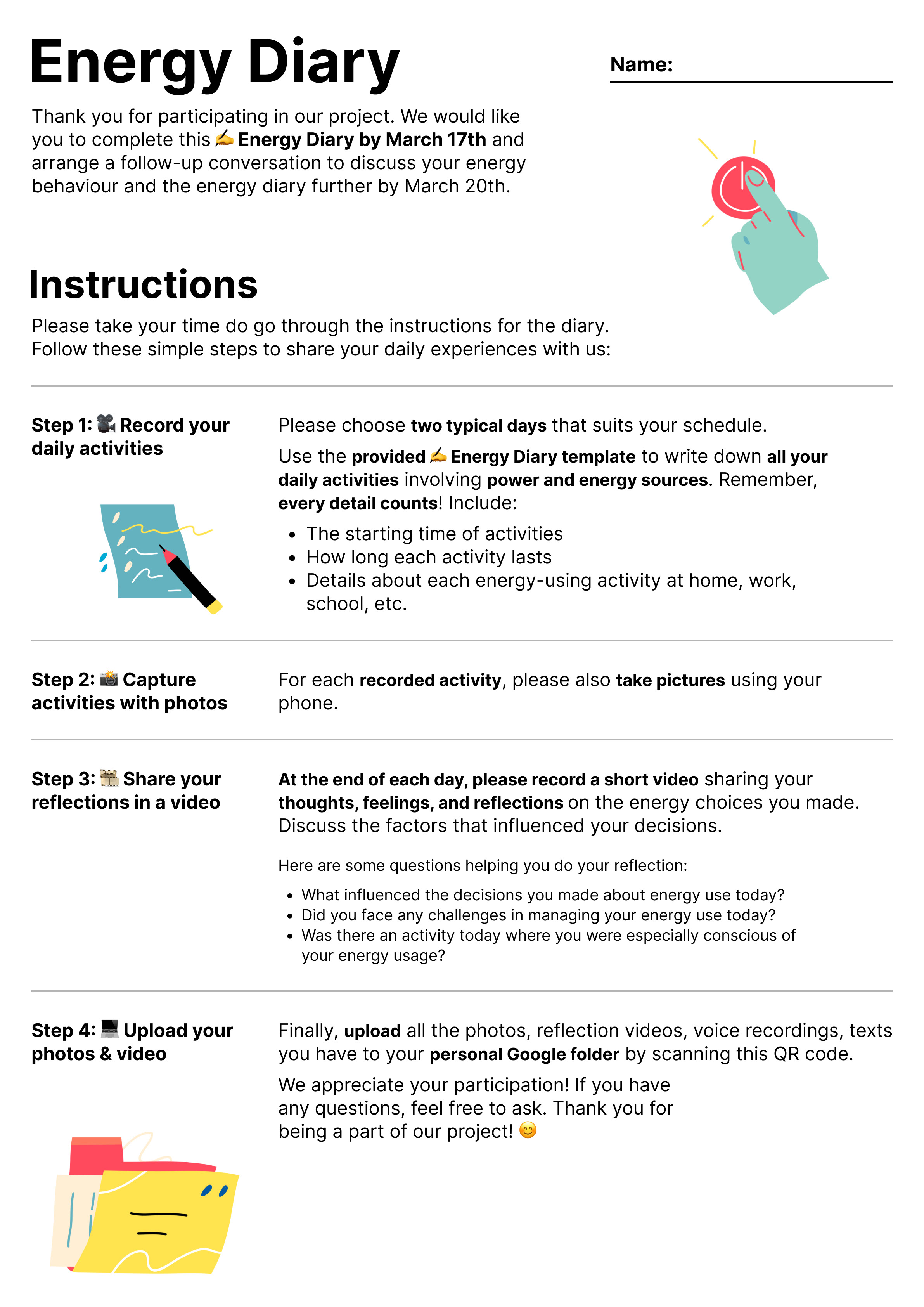
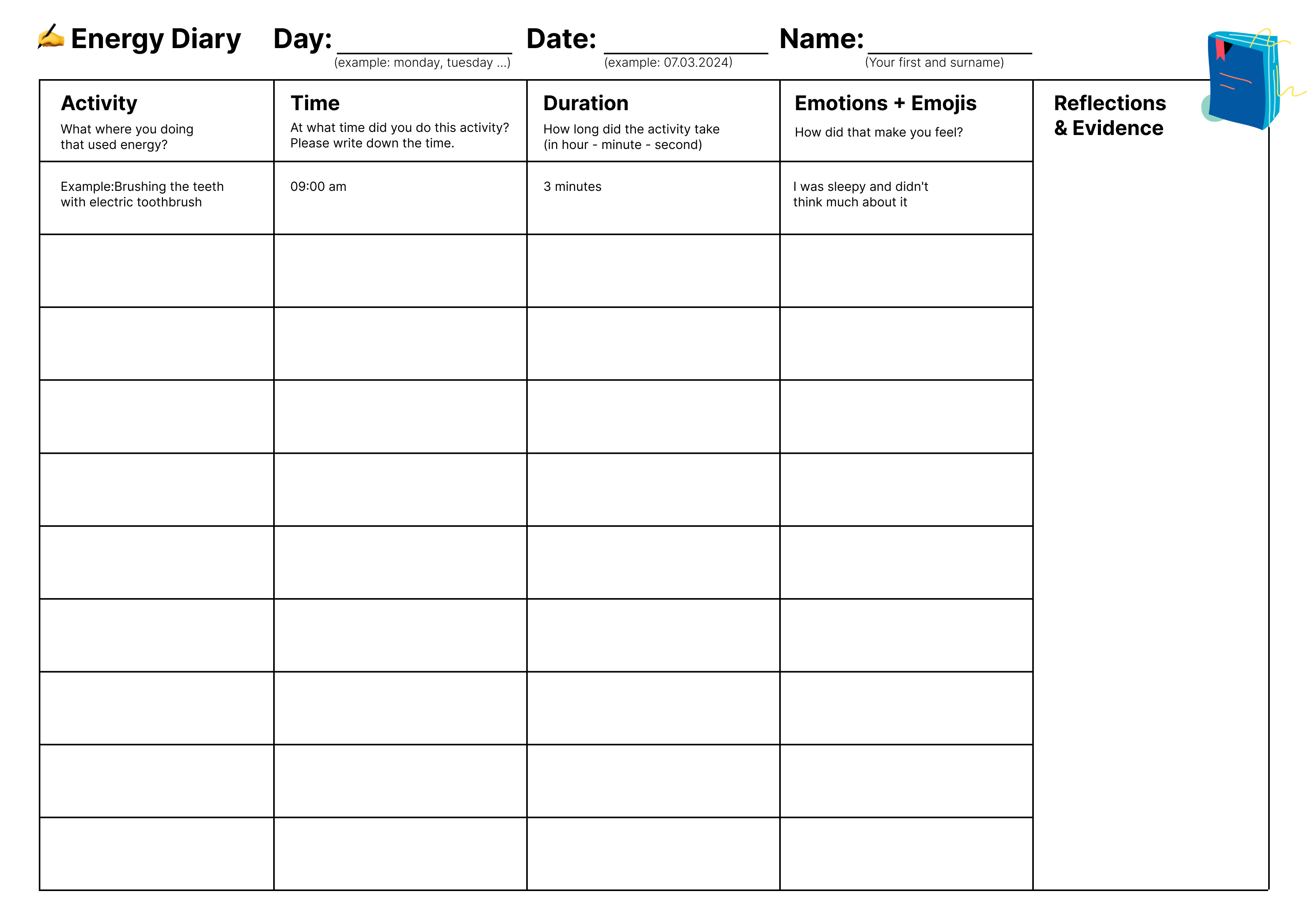
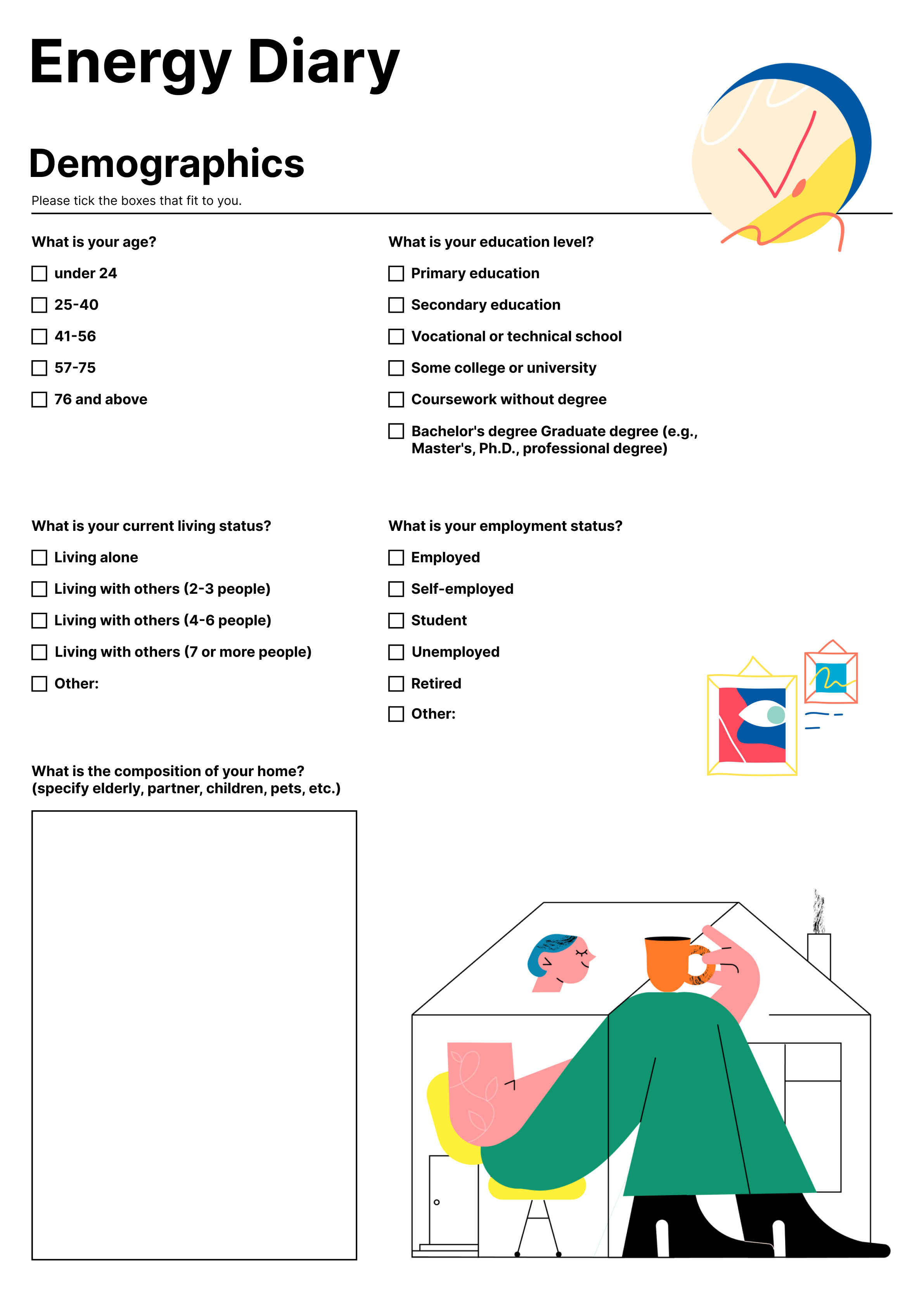
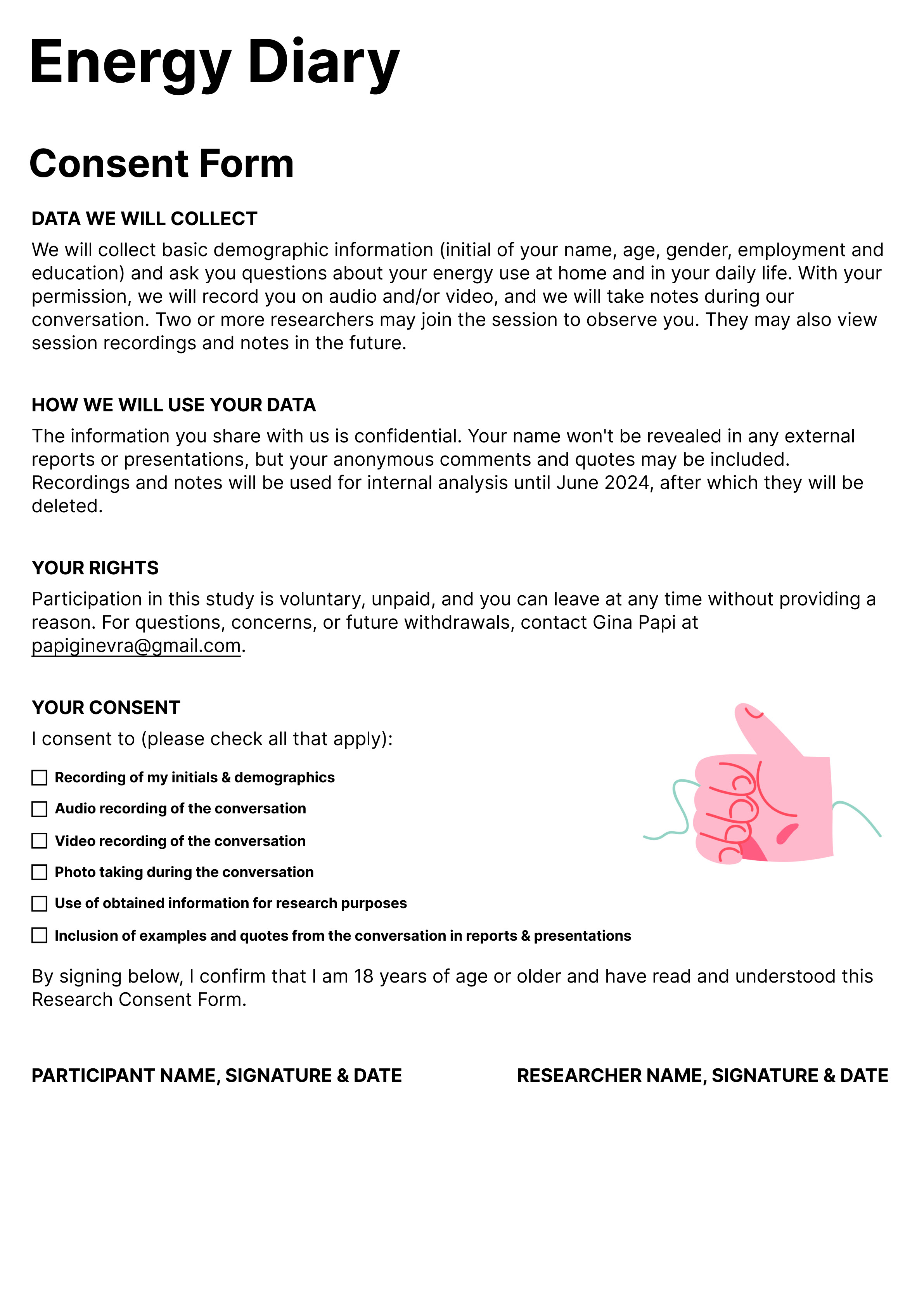
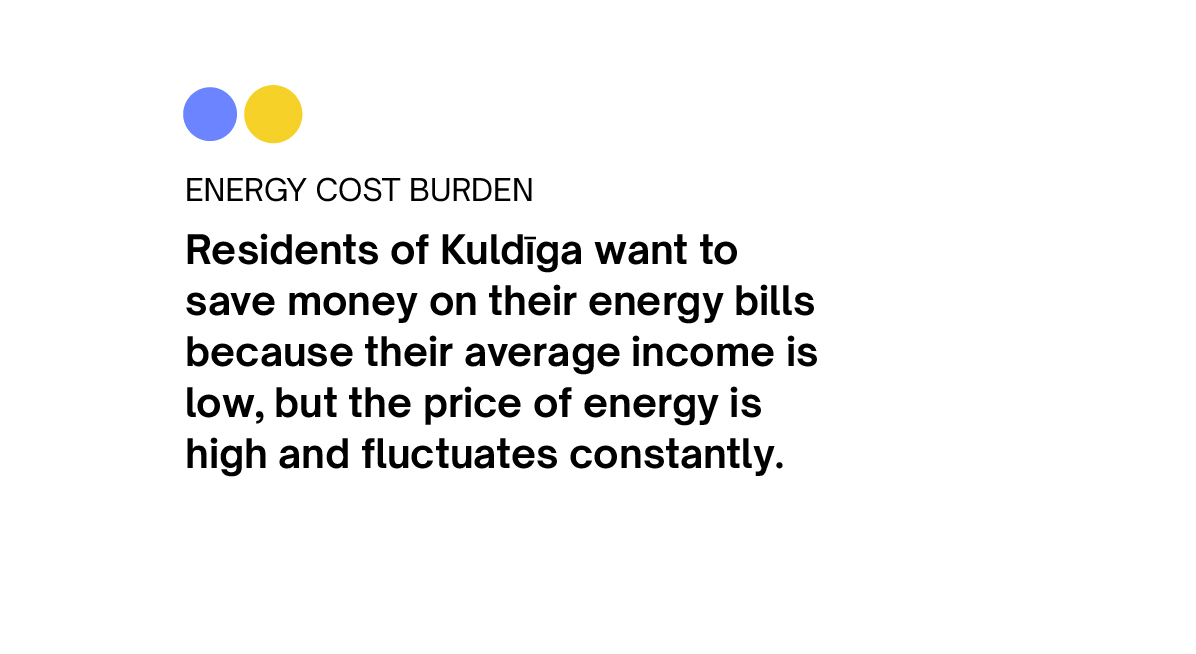
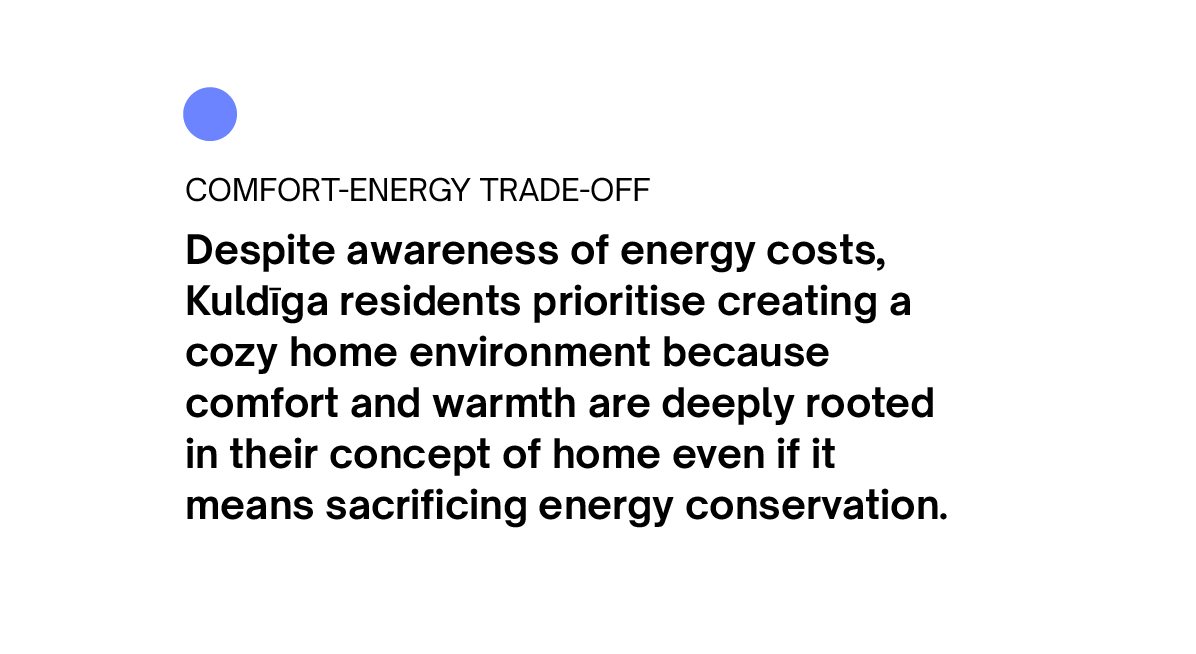
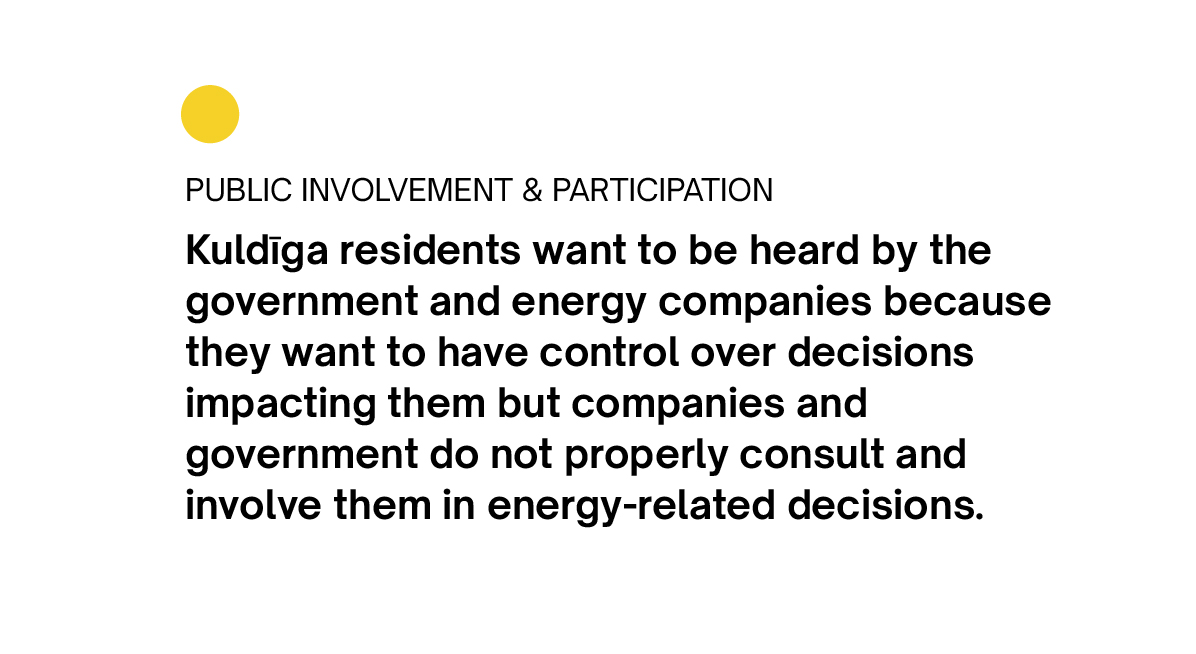
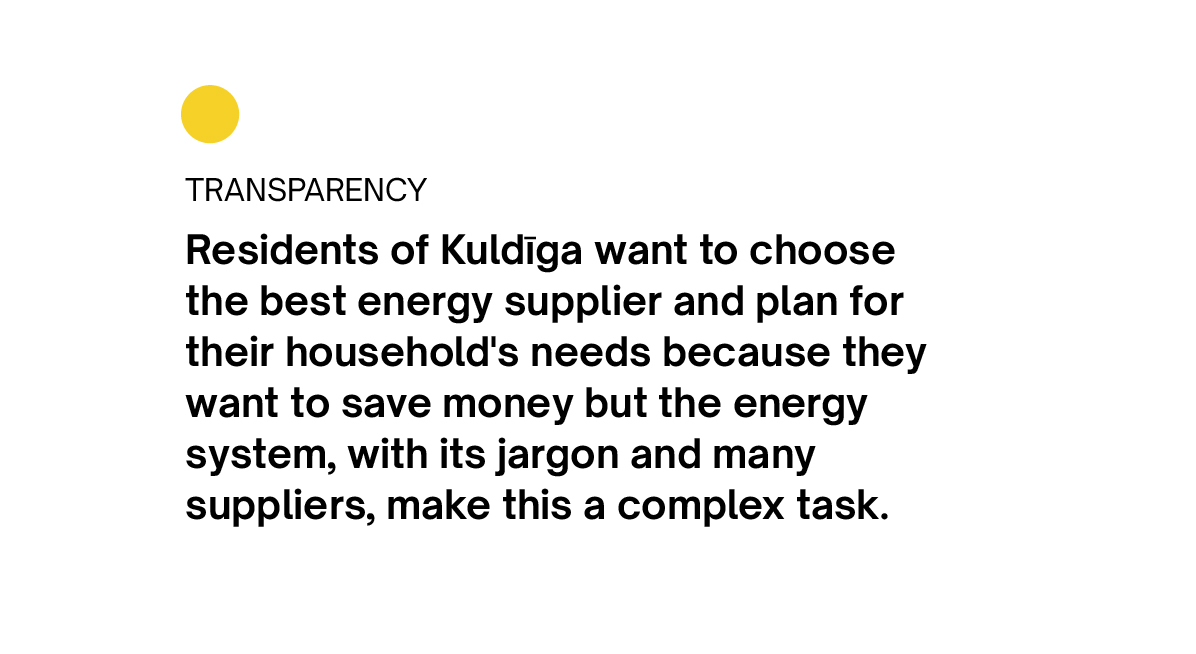
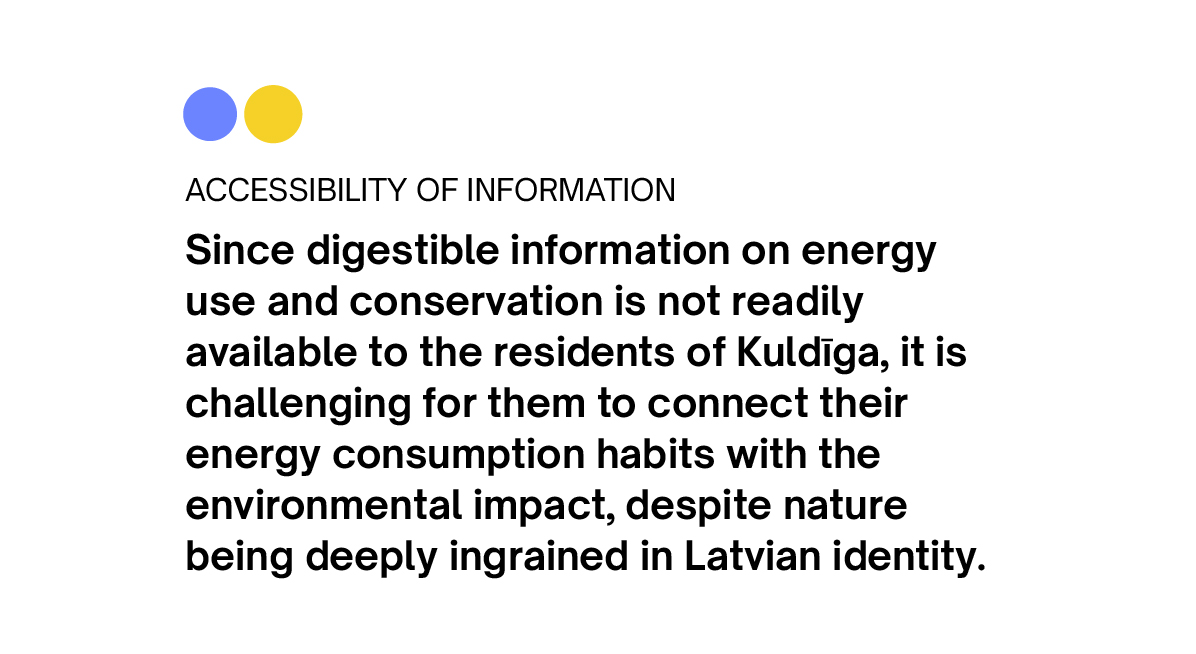
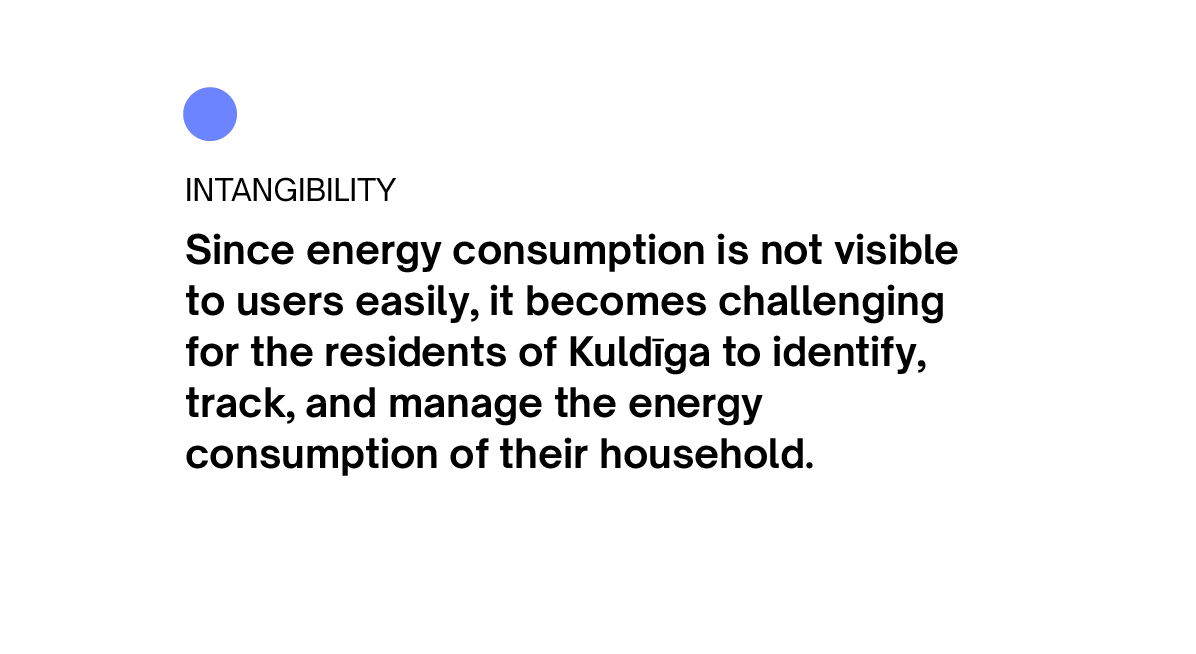
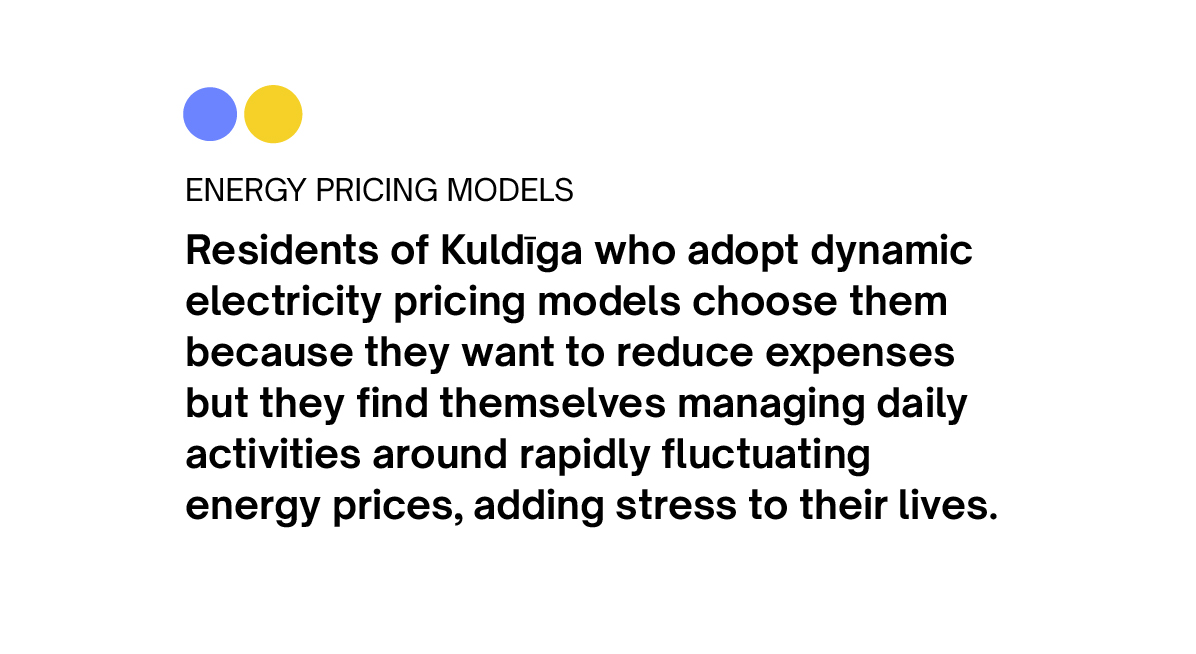
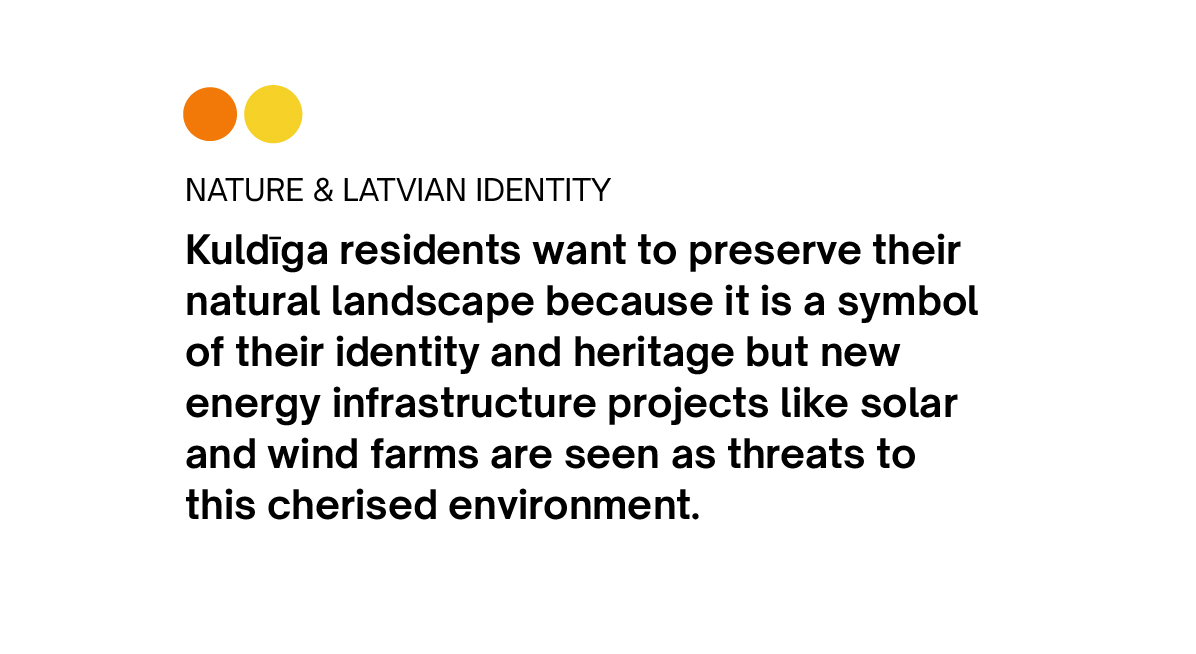
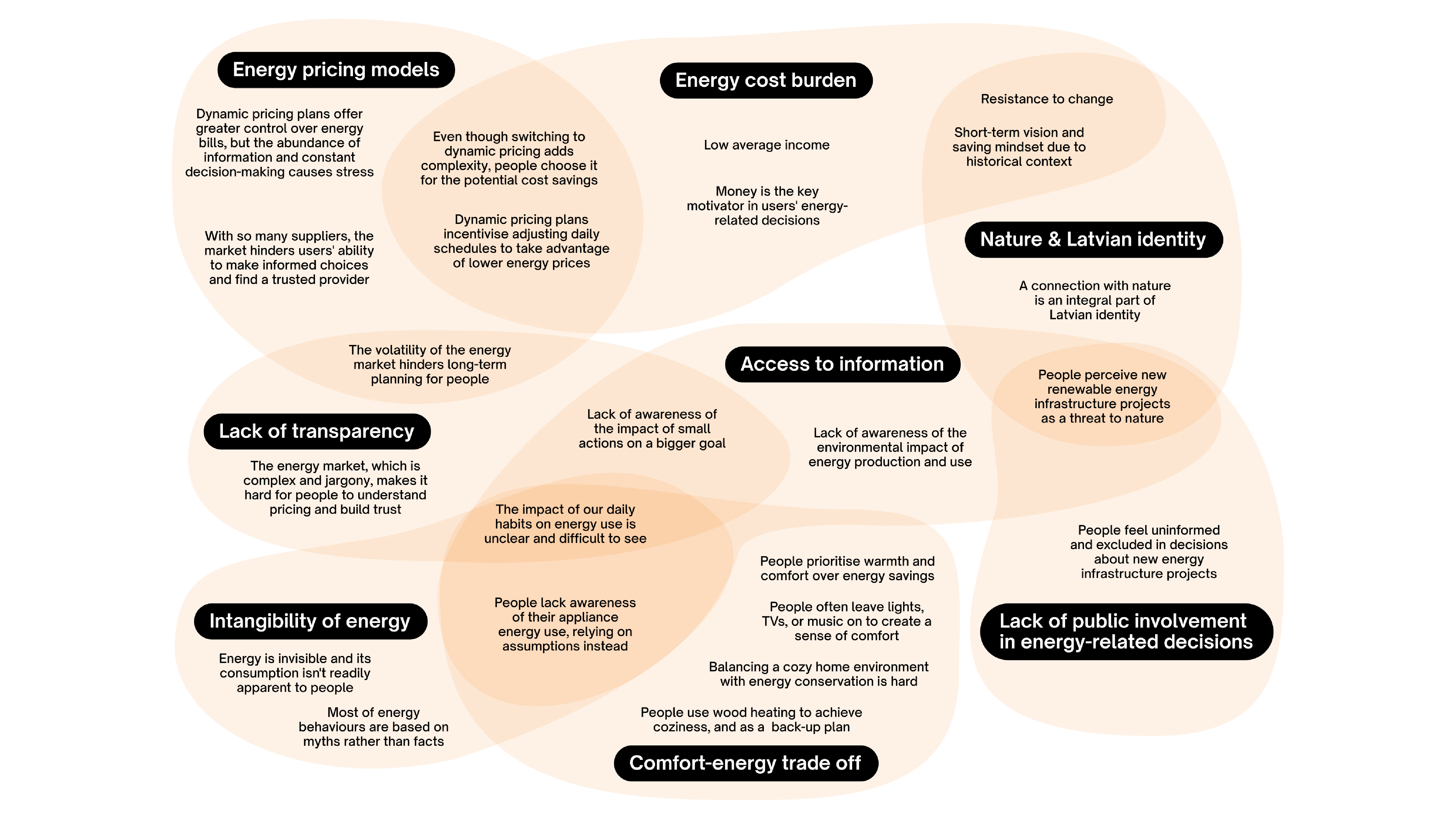
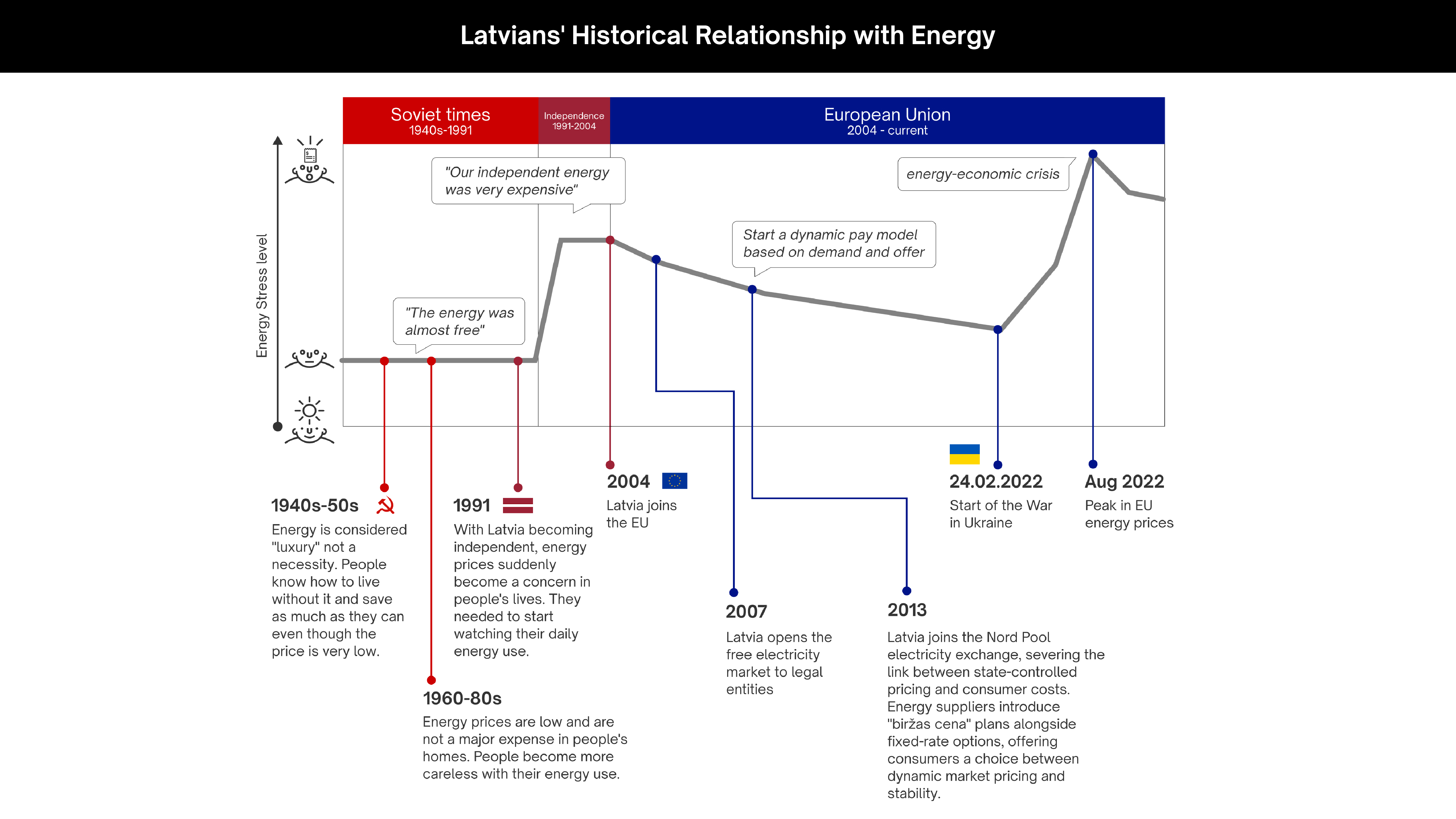
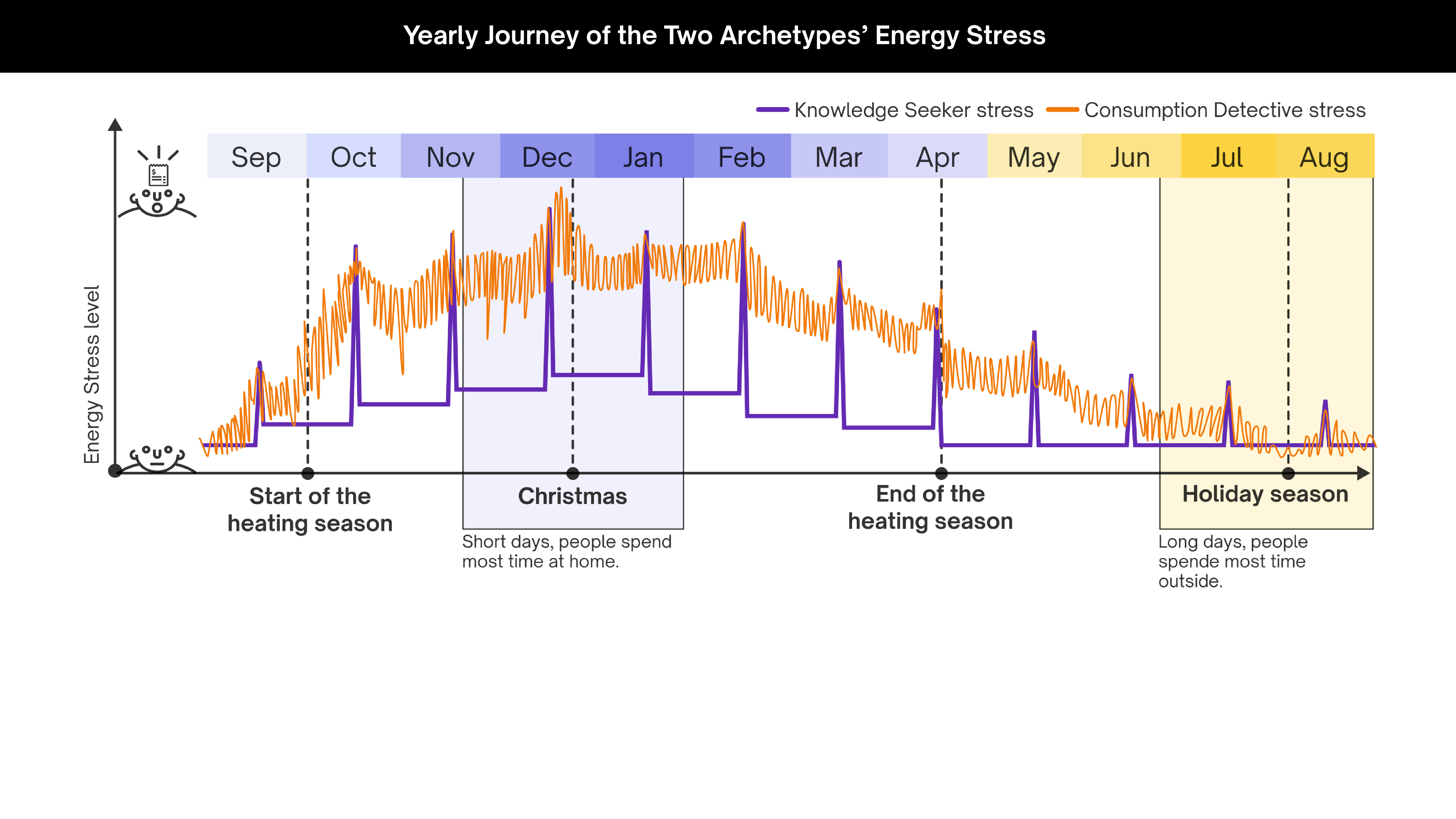
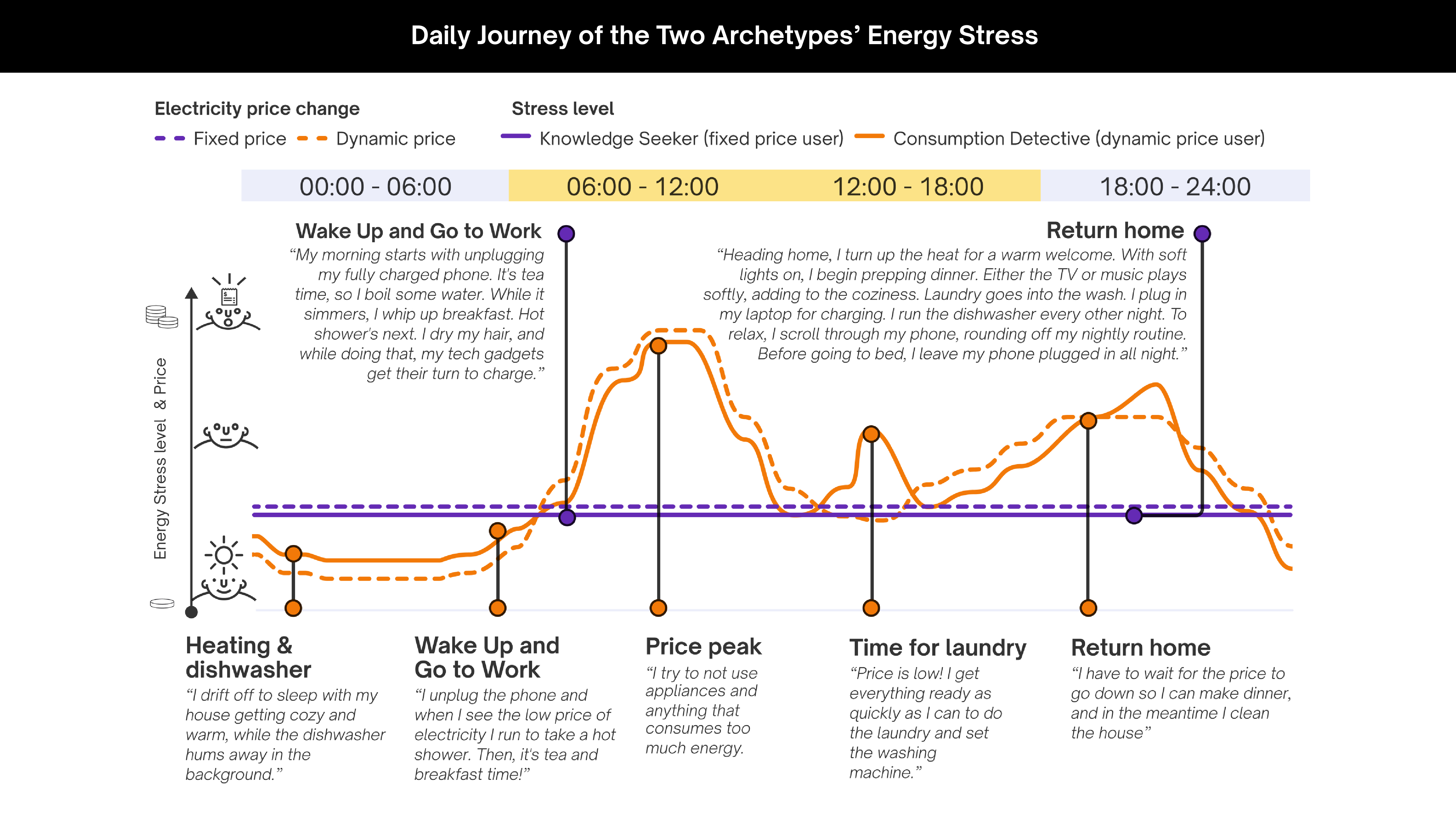
Through our contextual interviews and the energy diaries, we identified user behaviour patterns across diverse households, leading to the creation of two archetypes: The Consumption Detective and The Knowledge Seeker. With these, we then explored the level of stress caused by energy costs across different timelines. By examining both the historical context (meso level) and the year-to-year and daily experiences (micro level), we identified a clear connection between energy bills and stress levels.
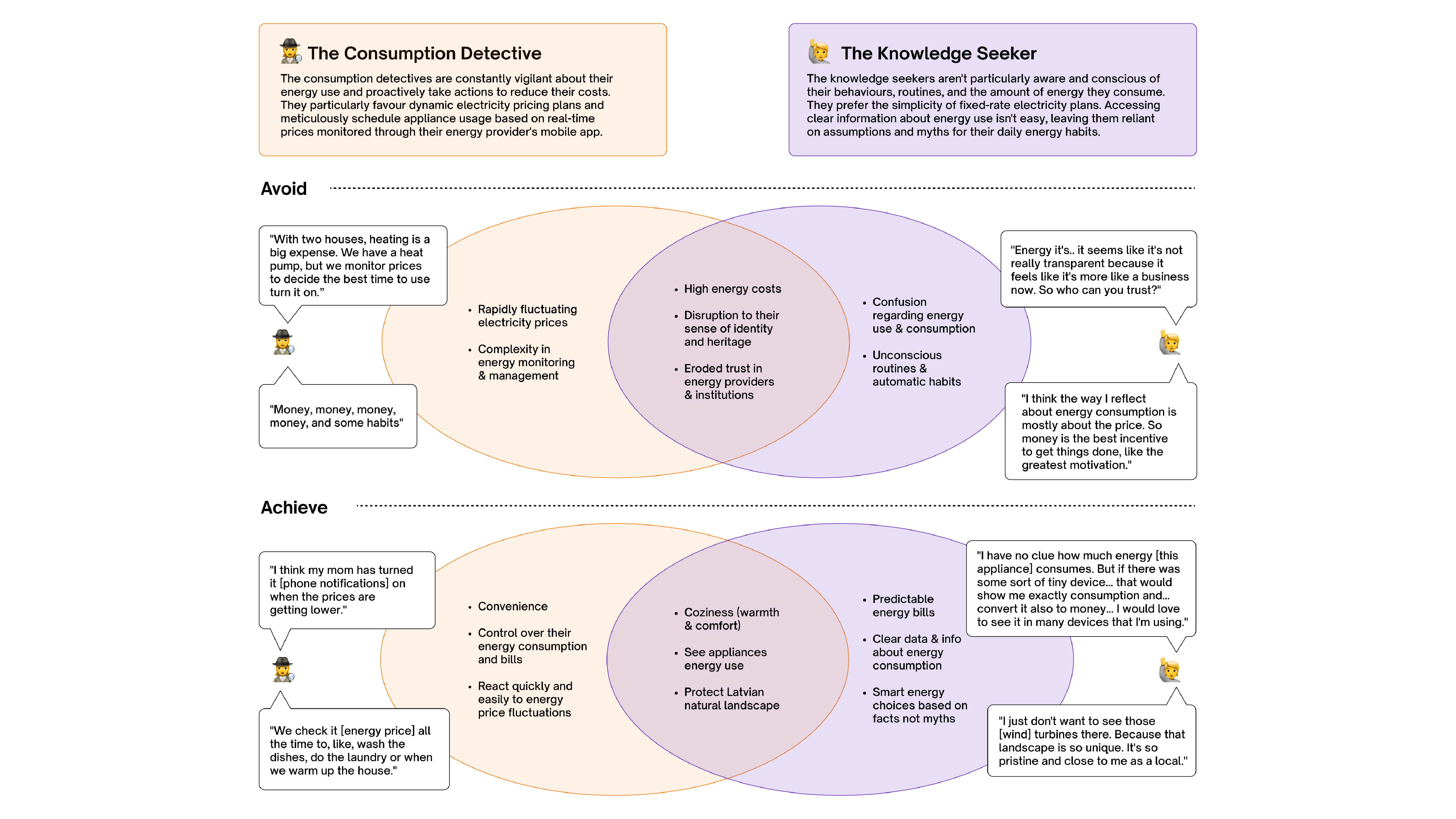
Overlapping themes for HMWs
The insights we got served as the foundation upon which we crafted How Might We (HMW) questions. We reframed each insight statement into generative questions employing brainwriting, pairs discussions, affinity clustering and the World Café technique. After generating a large number of HMWs, we discarded duplicates and refined them to ensure each one targeted specific users, offered a range of potential solutions, focused on a desired outcome, and used positive phrasing. Through affinity clustering, we identified recurring themes and mapped their relationships.
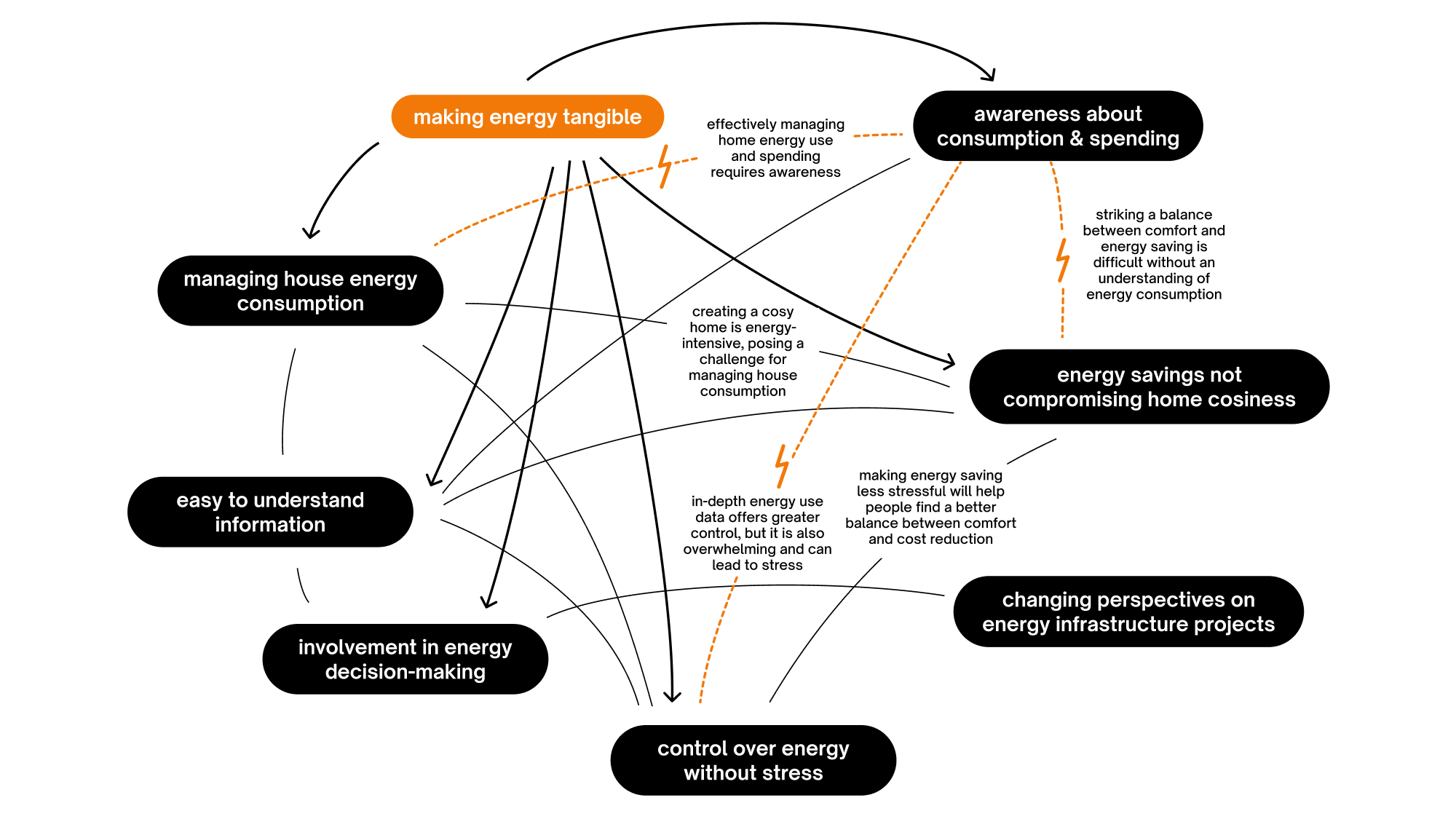
To converge further, we looked back at the mapping of the eight key insights and found that there are particularly strong and overlapping two themes: the intangibility of energy and its consumption, and limited awareness of the impact of daily actions and habits on consumption. These overlapping themes highlight core challenges: difficulty in understanding energy use and a lack of connection to consumption behaviour. By focusing on these core issues, we were able to reduce the number of HMWs by two-thirds, settling on 2 HMWs:
HMW make energy consumption more tangible for Knowledge Seekers so that they can get a better understanding and control over their energy-related decisions?
HMW assist Knowledge Seekers and Consumption Detectives in achieving a cosy living environment while minimising energy expenses?
Opportunity statement for ideation
Through extensive brainstorming and discussion, we diverged one last time to generate opportunity statements drawing on the two chosen HMWs, related What Ifs, and key elements from the IKEA Challenge Brief and the assessment criteria. This process culminated in the development of a final statement:
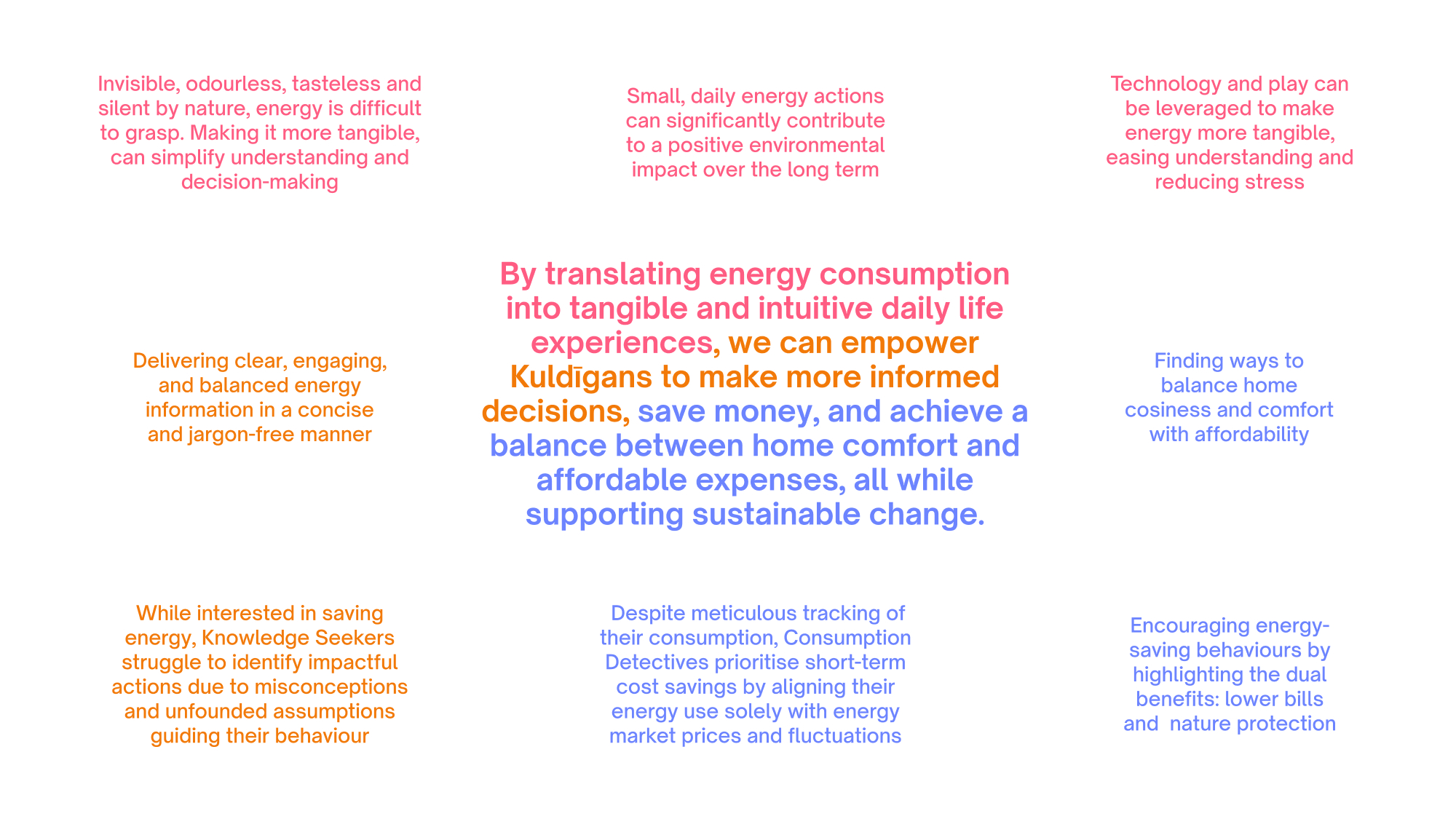
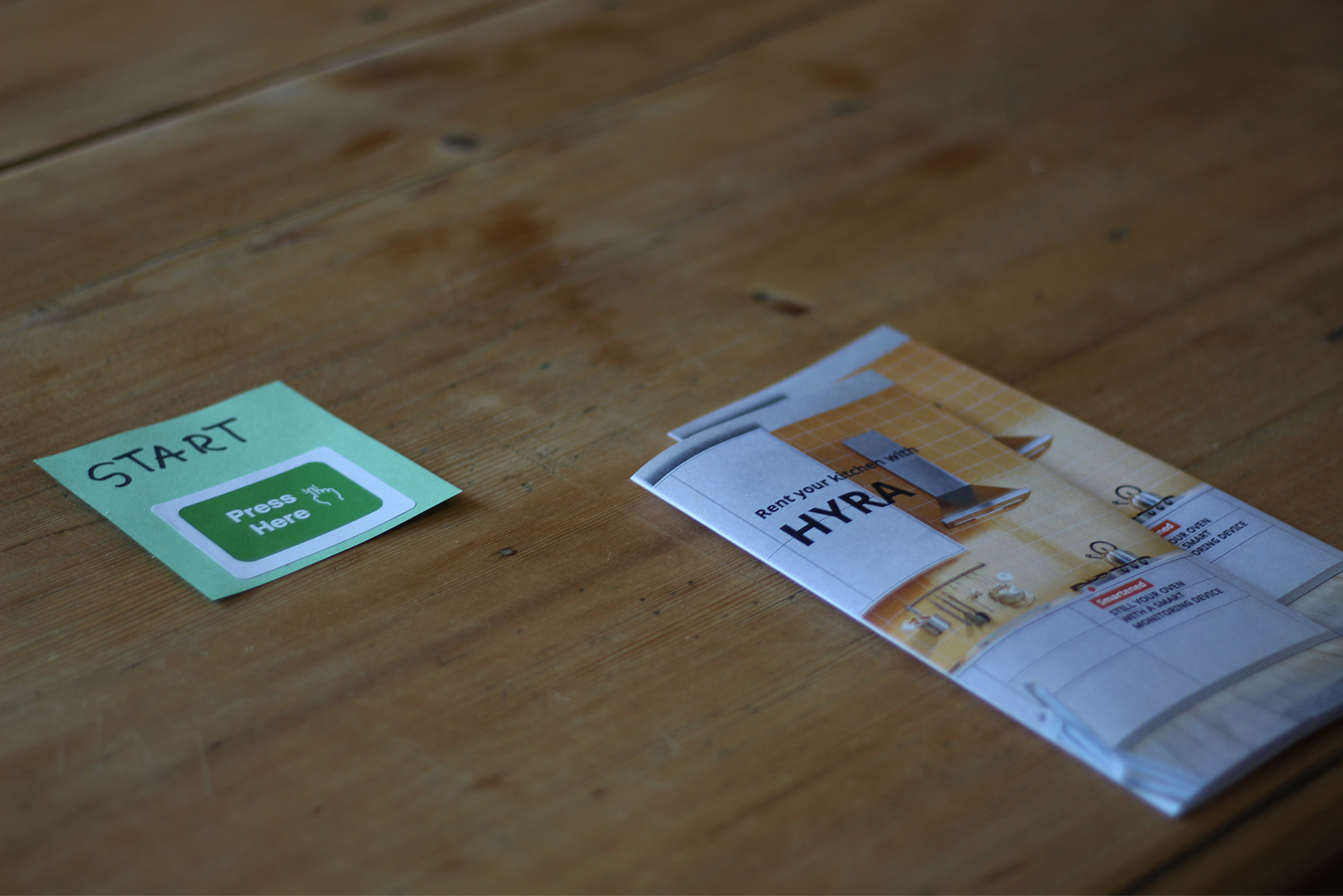
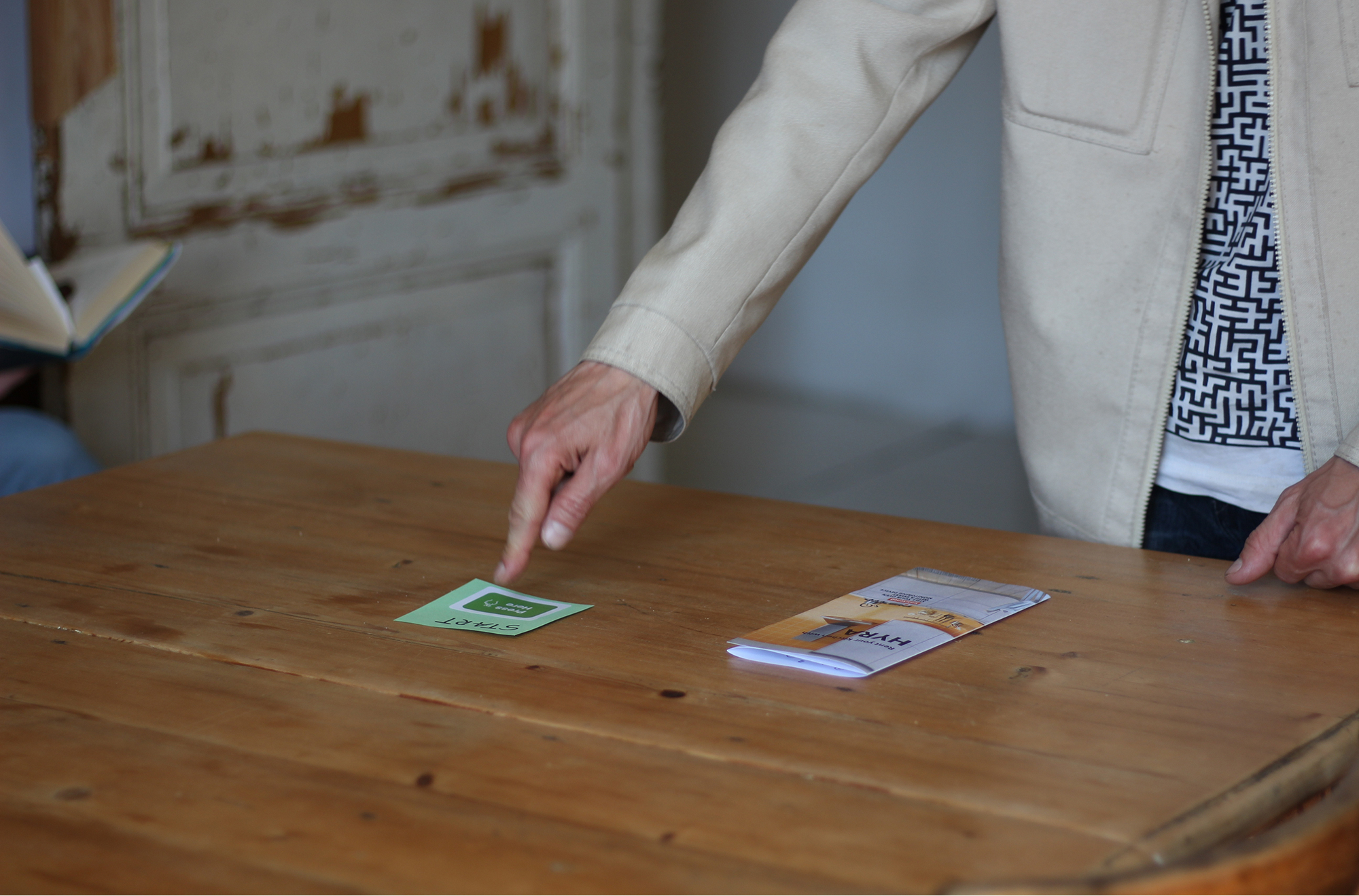
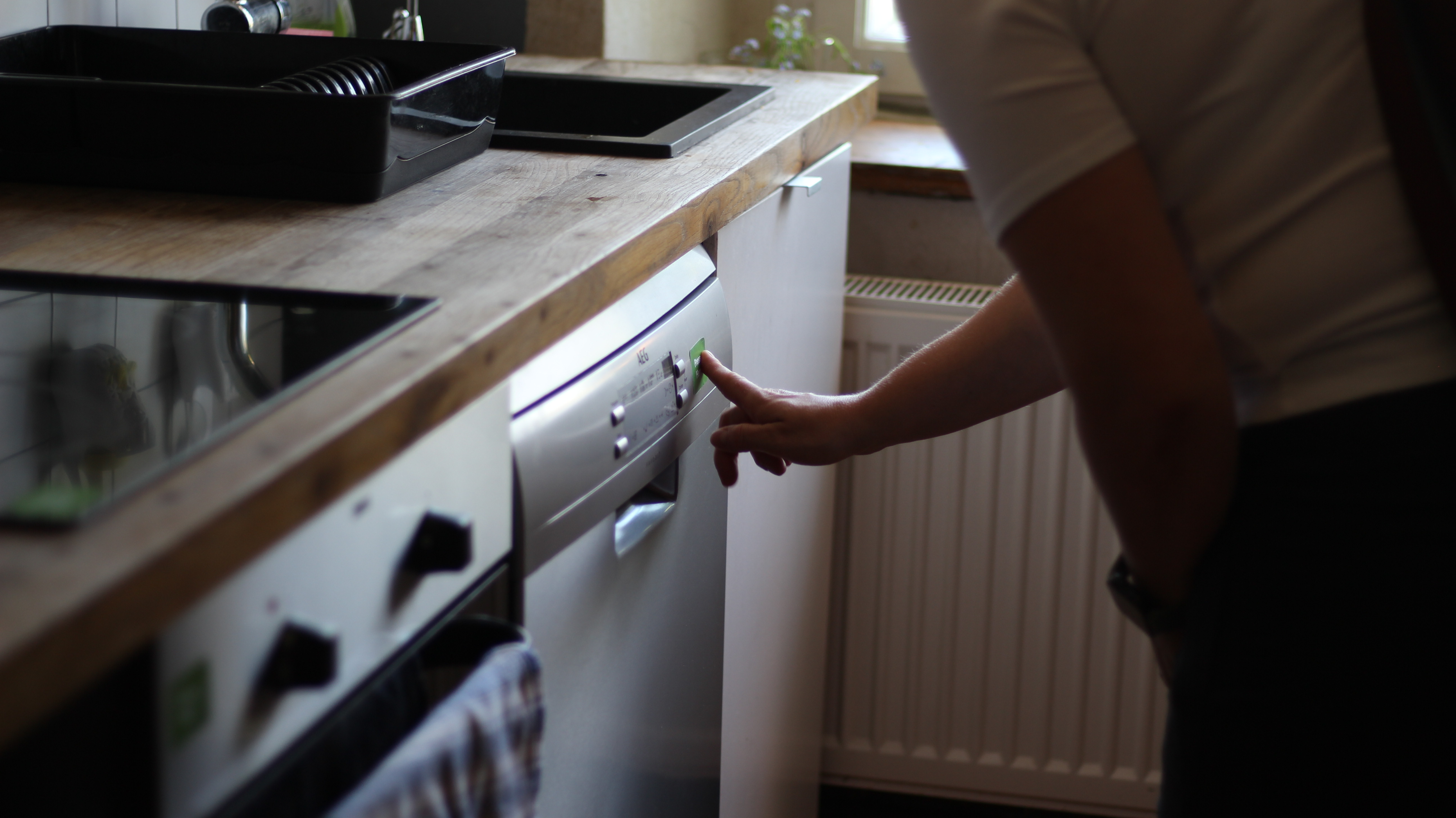
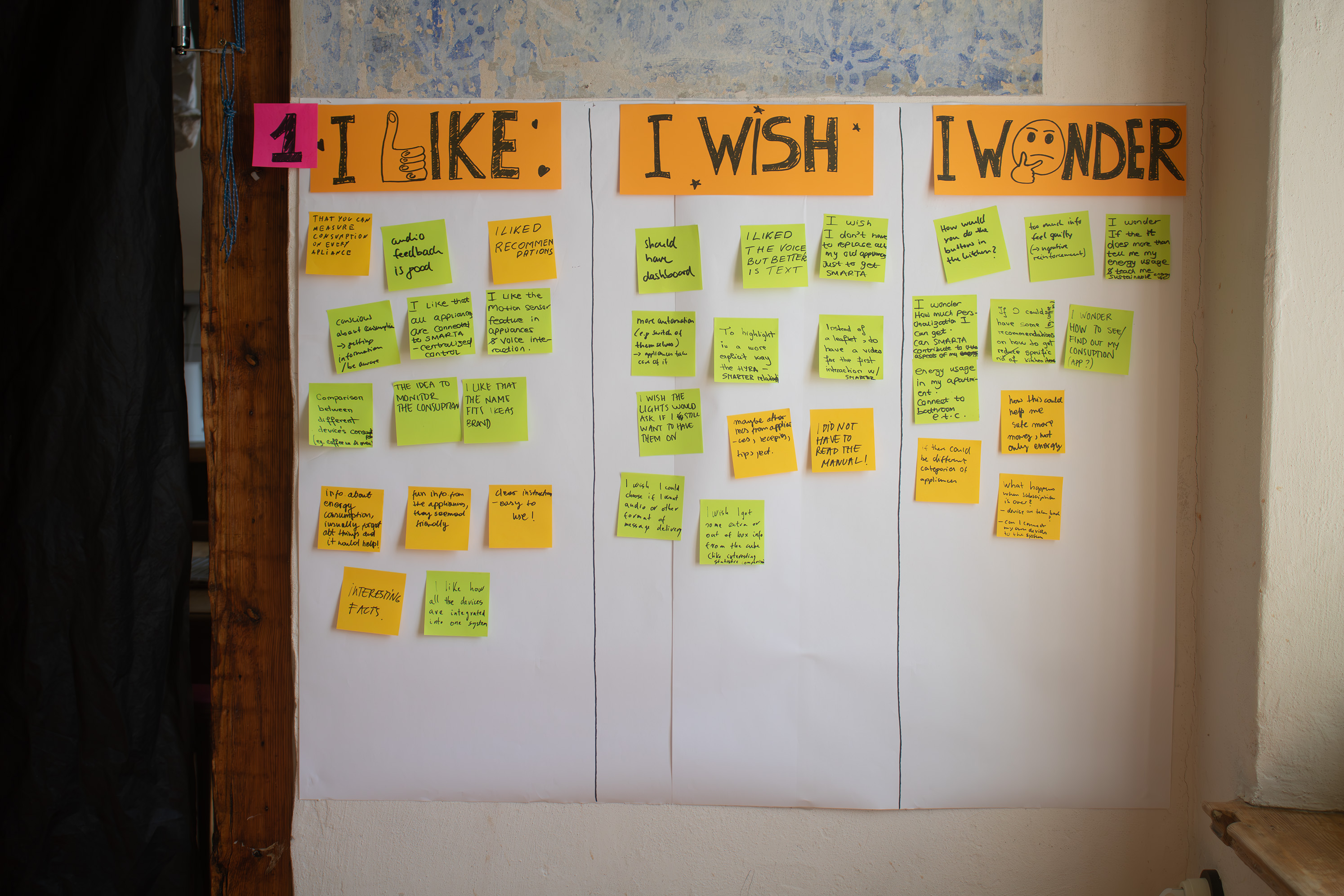
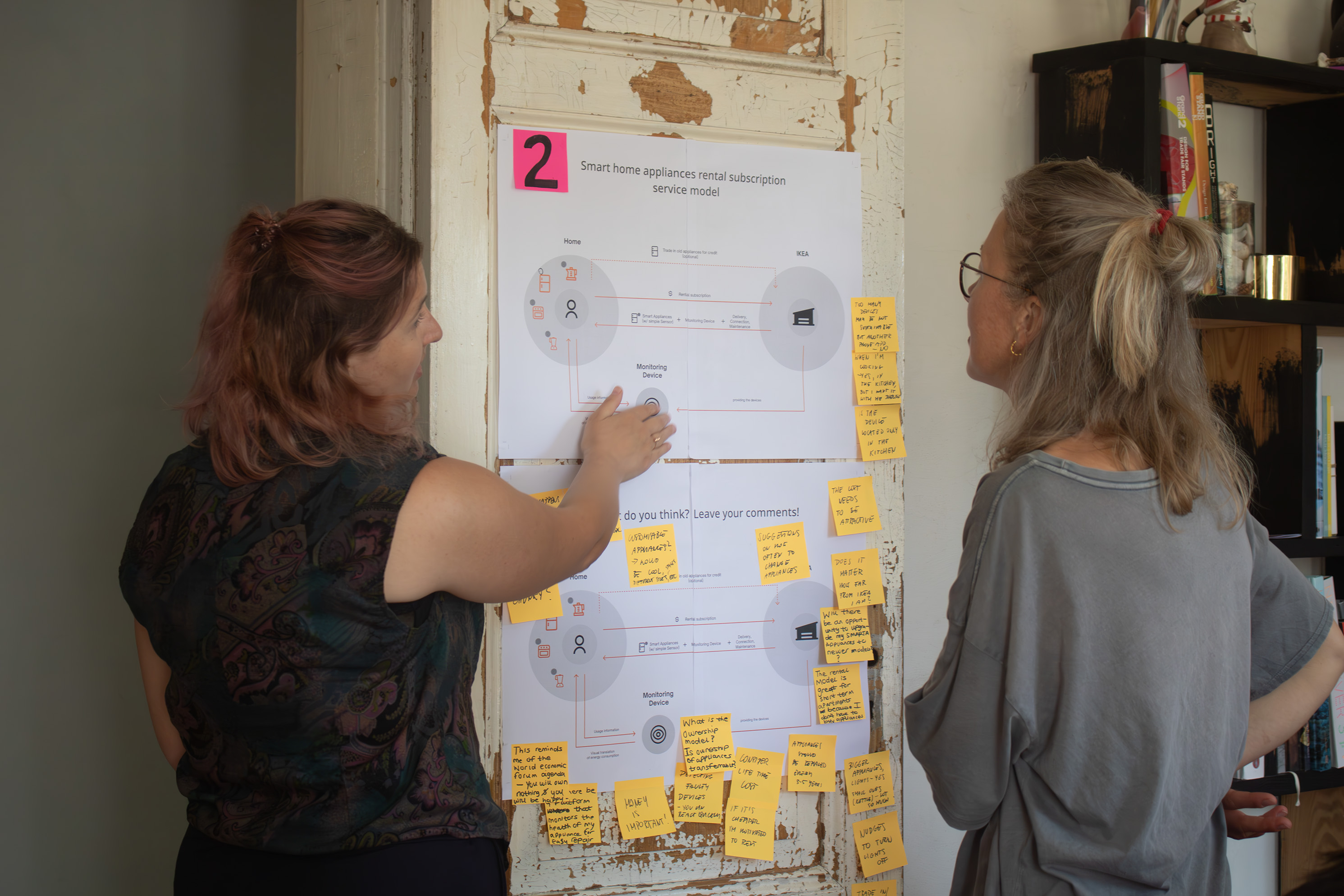
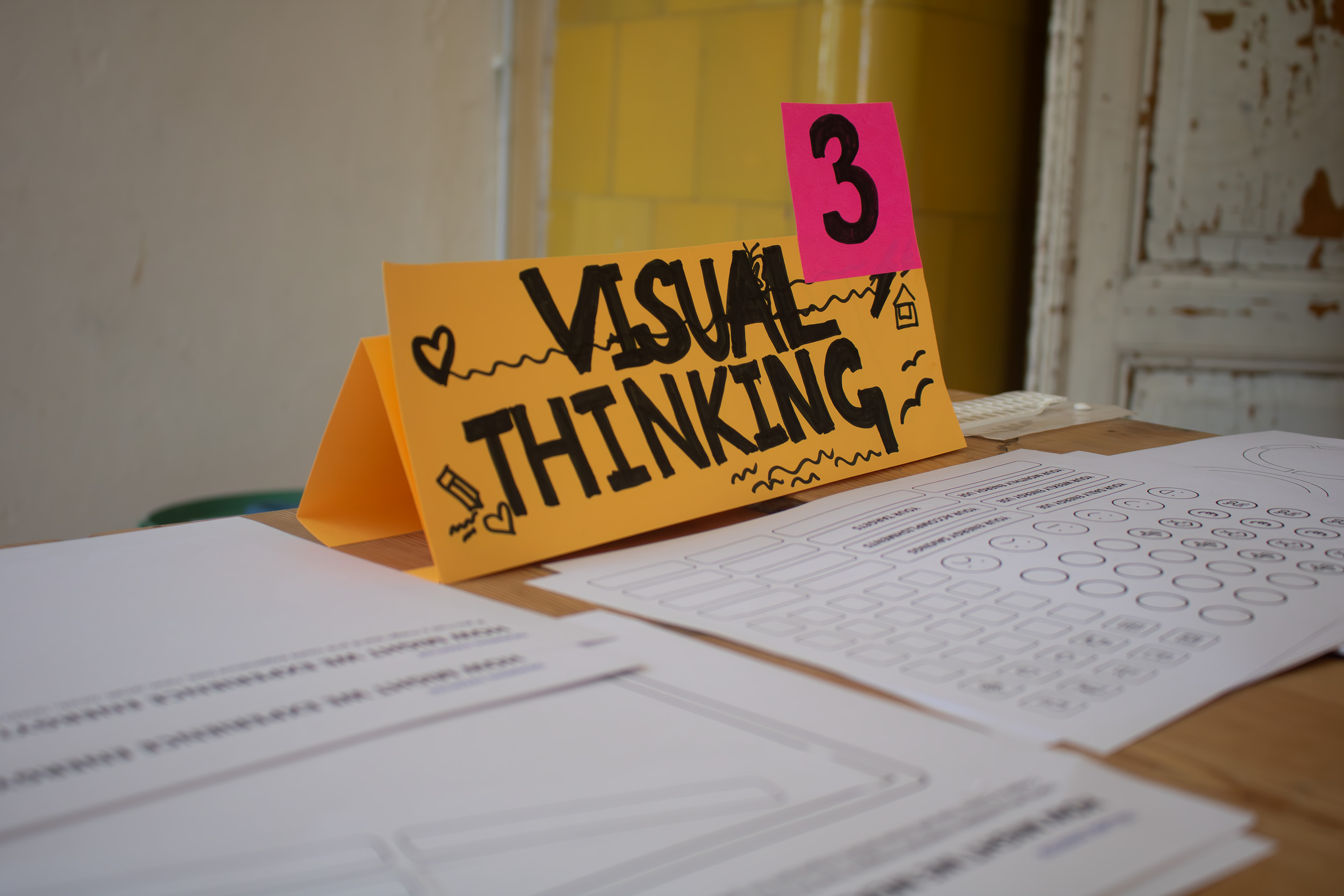
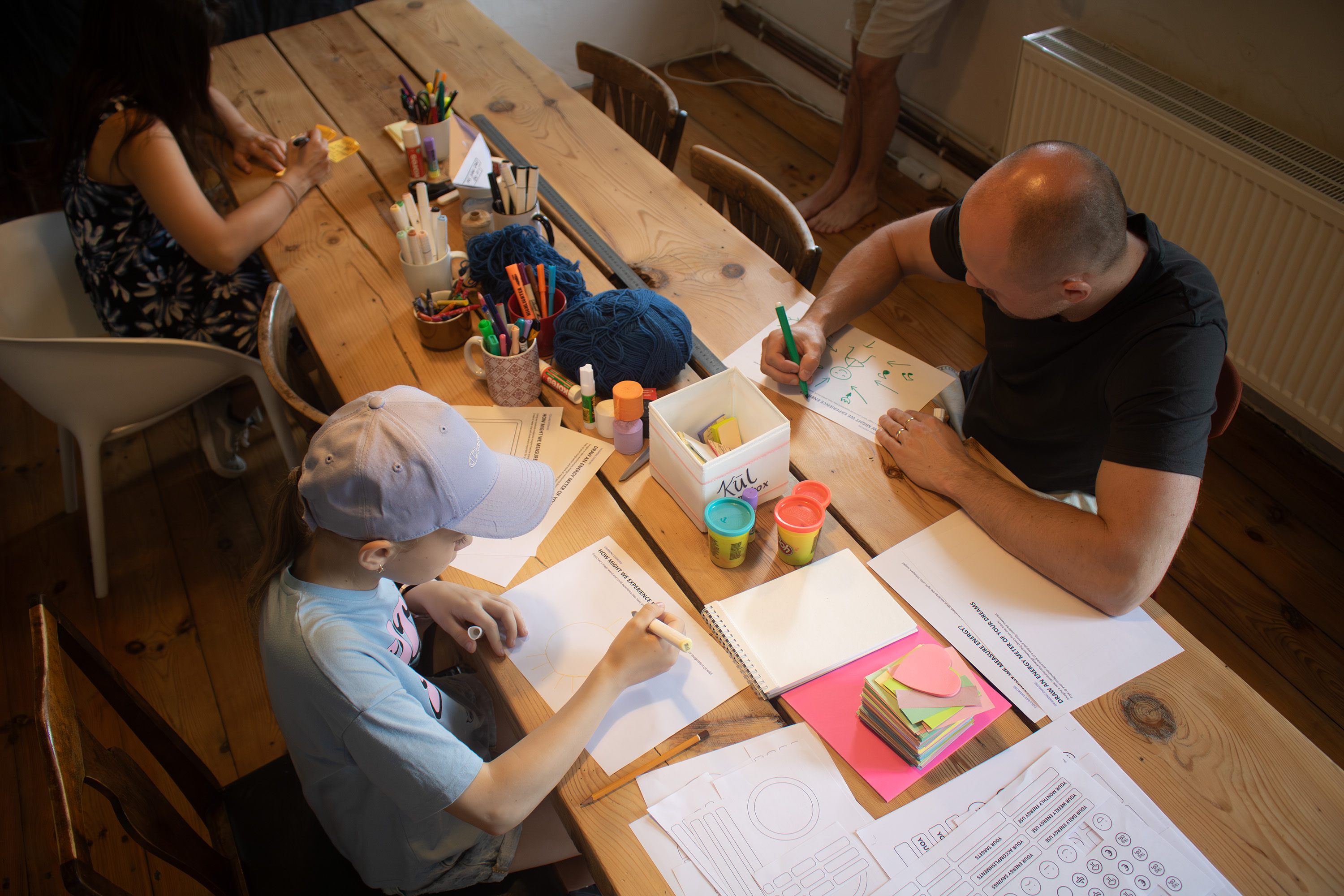
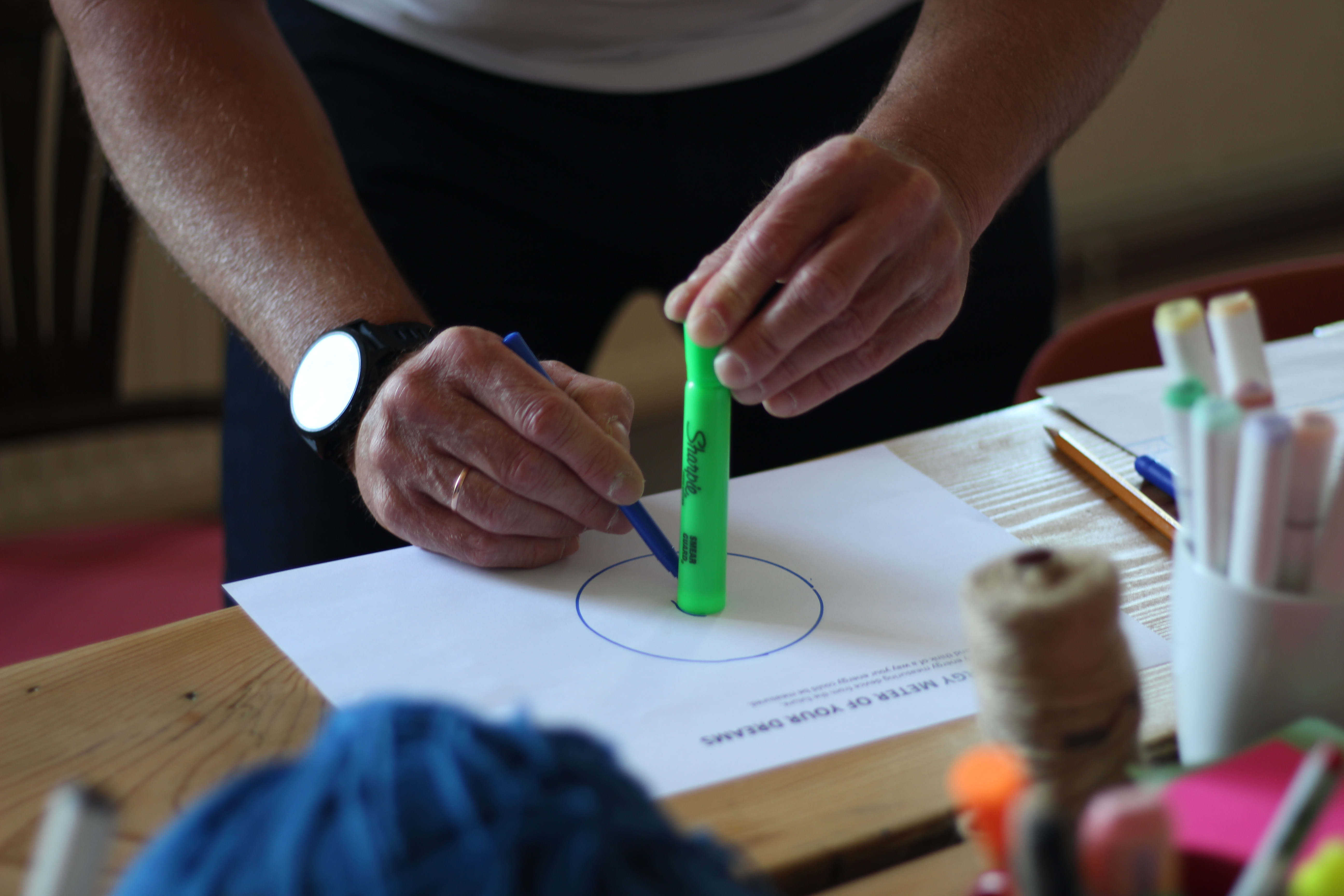
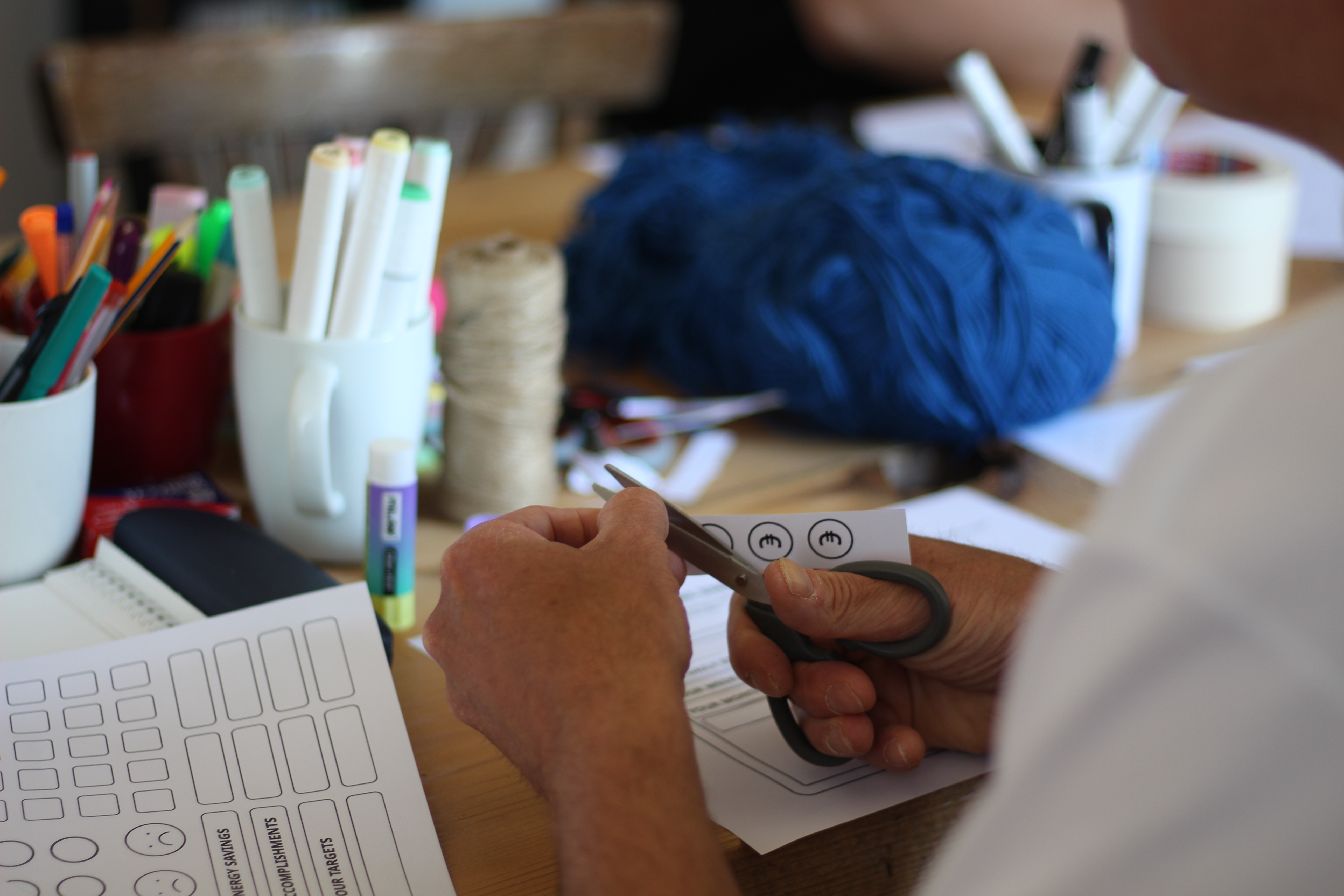
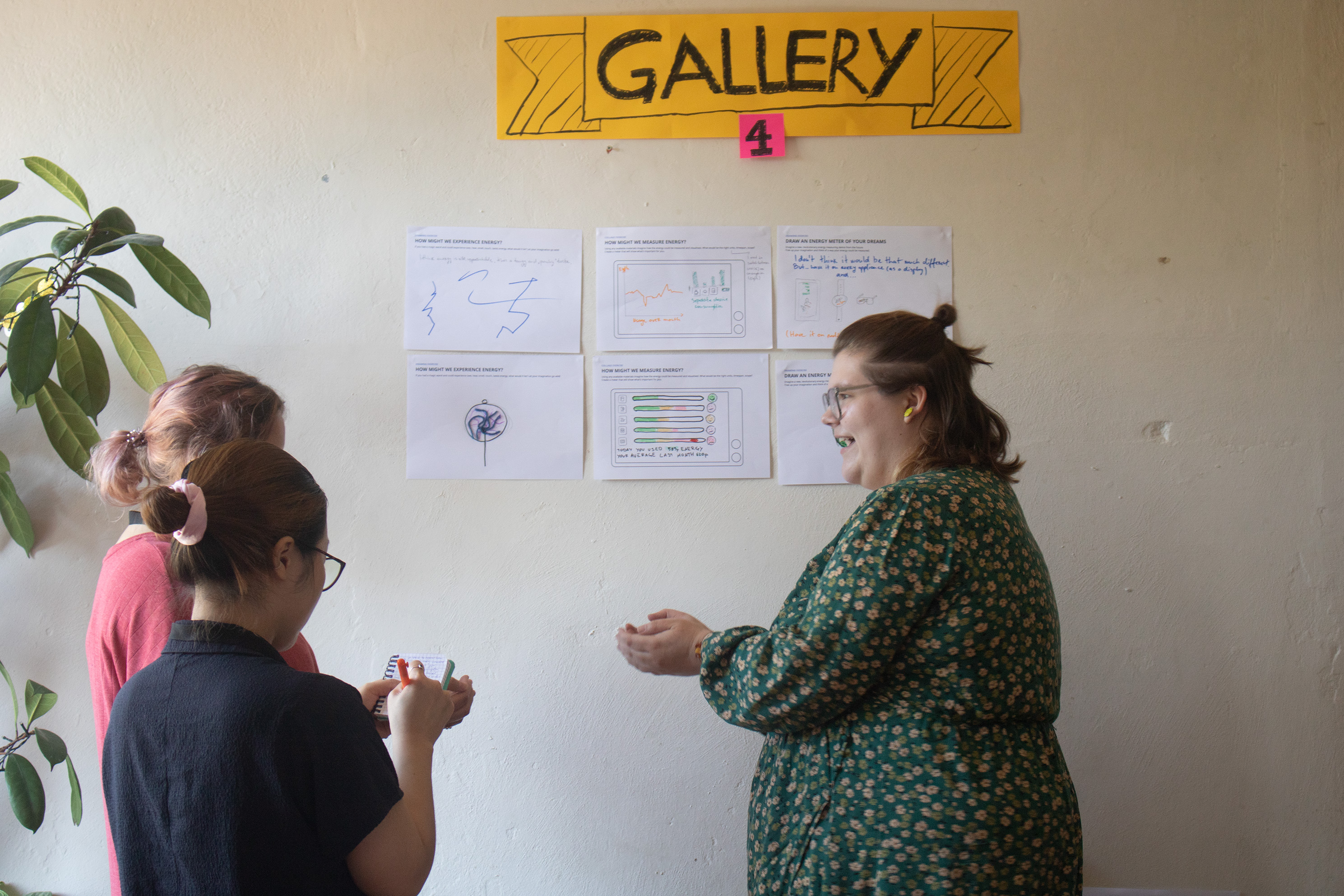
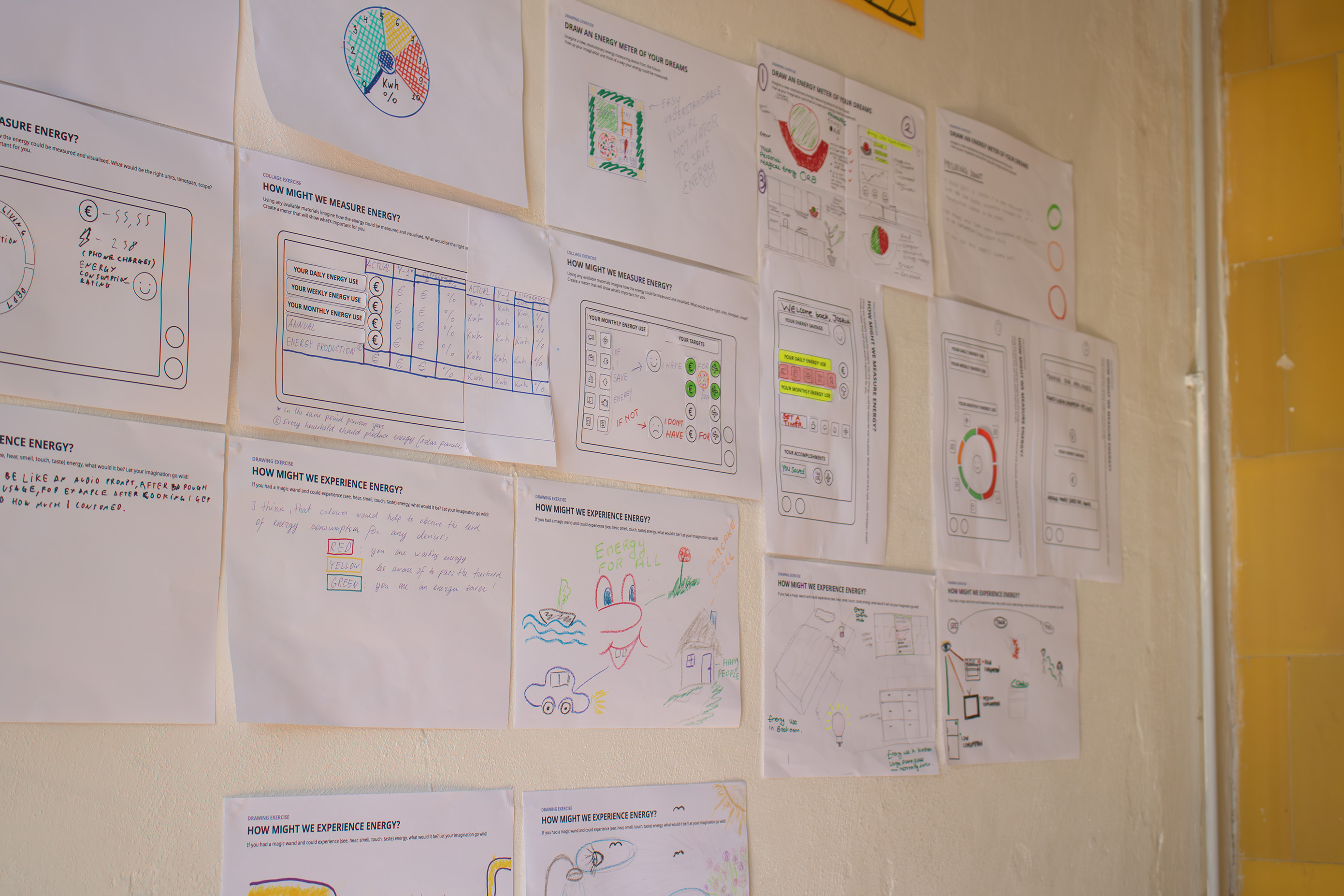
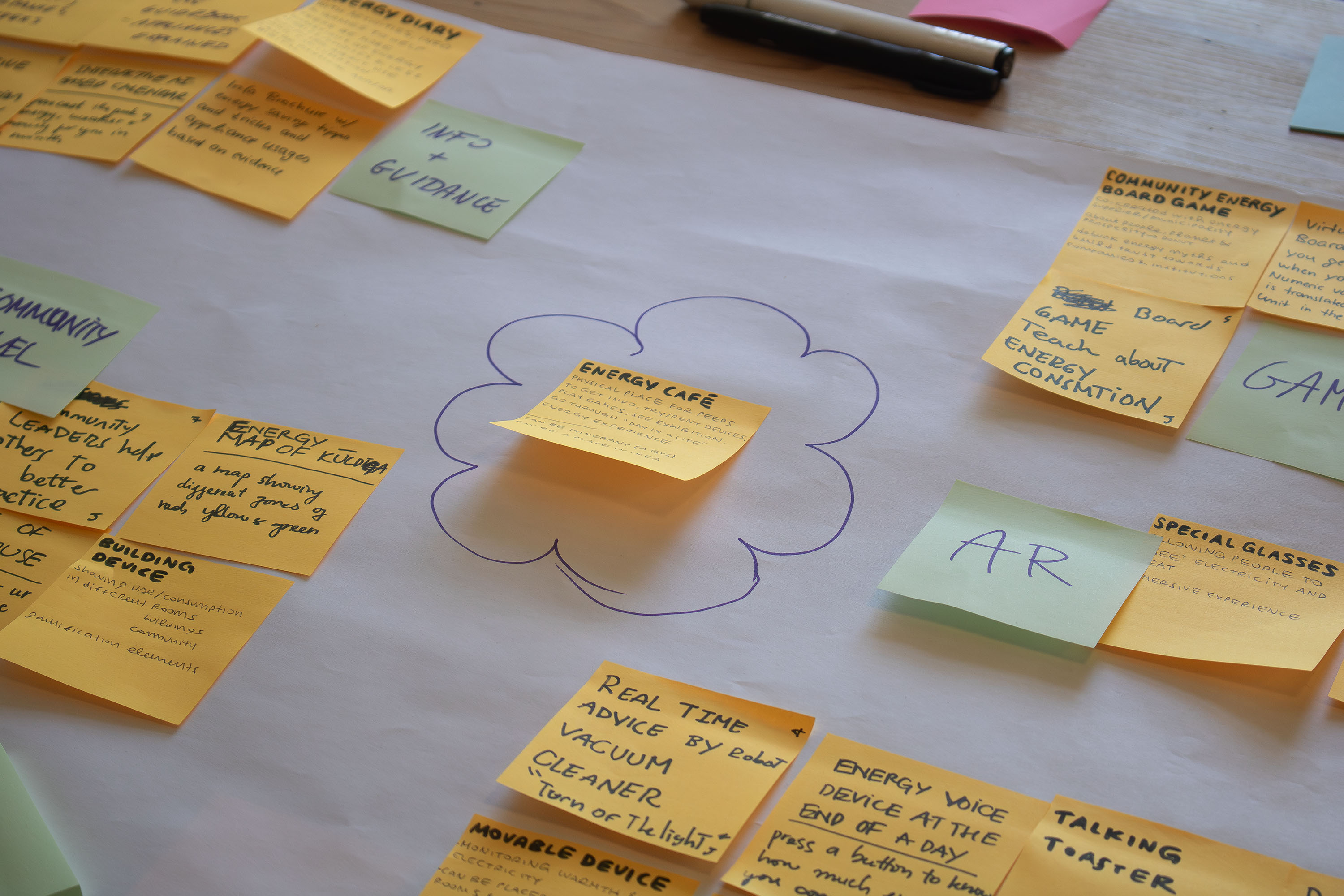
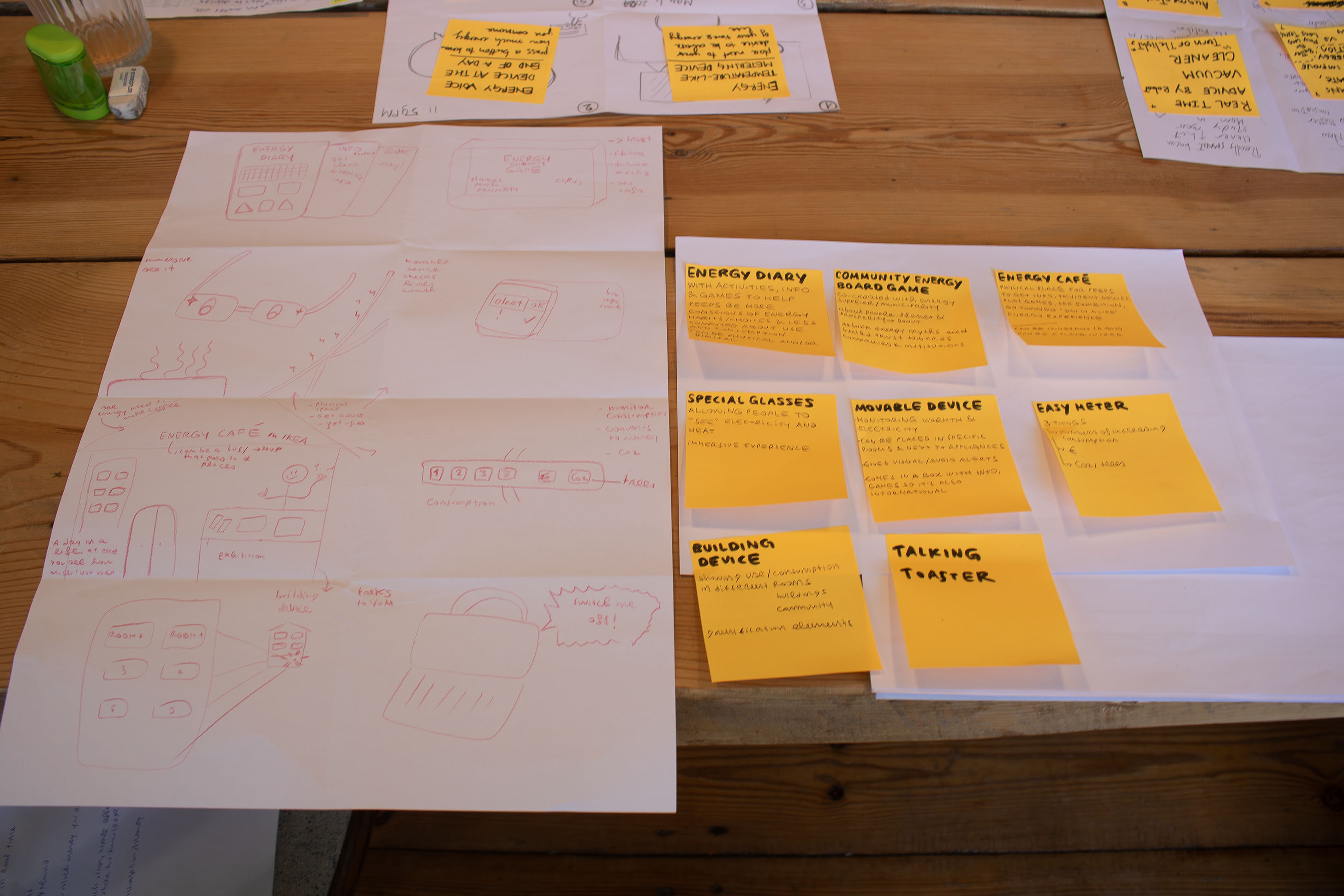
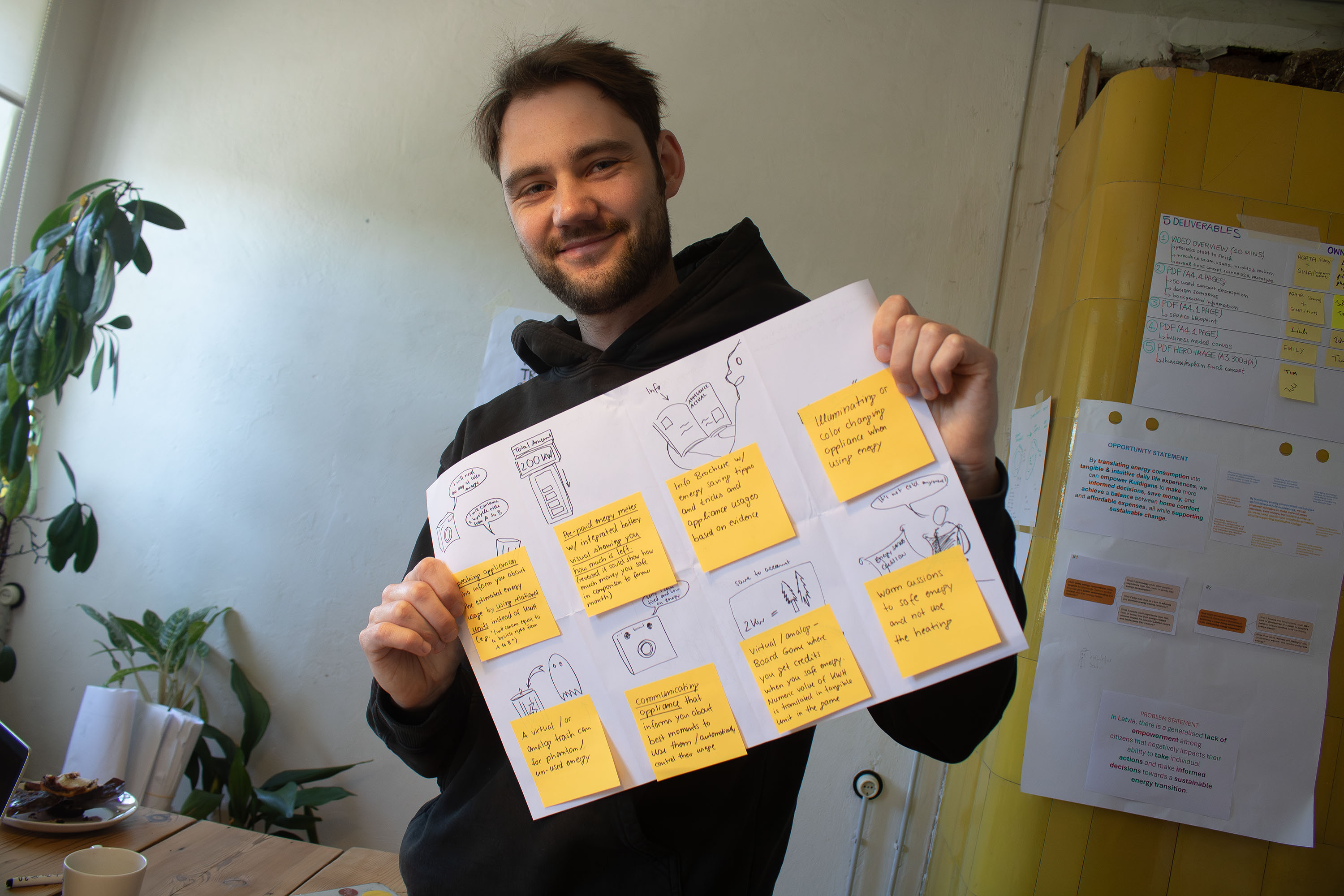
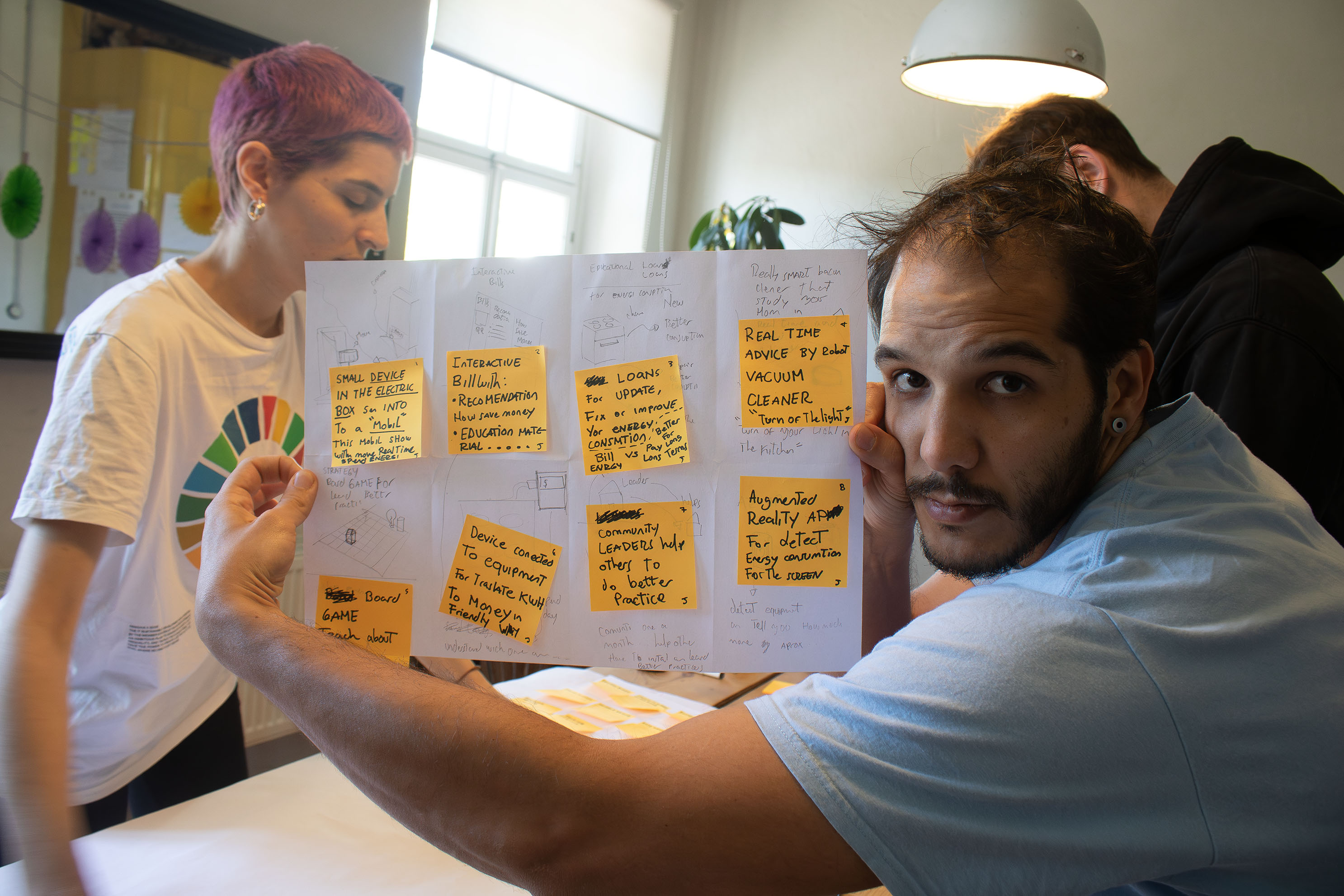
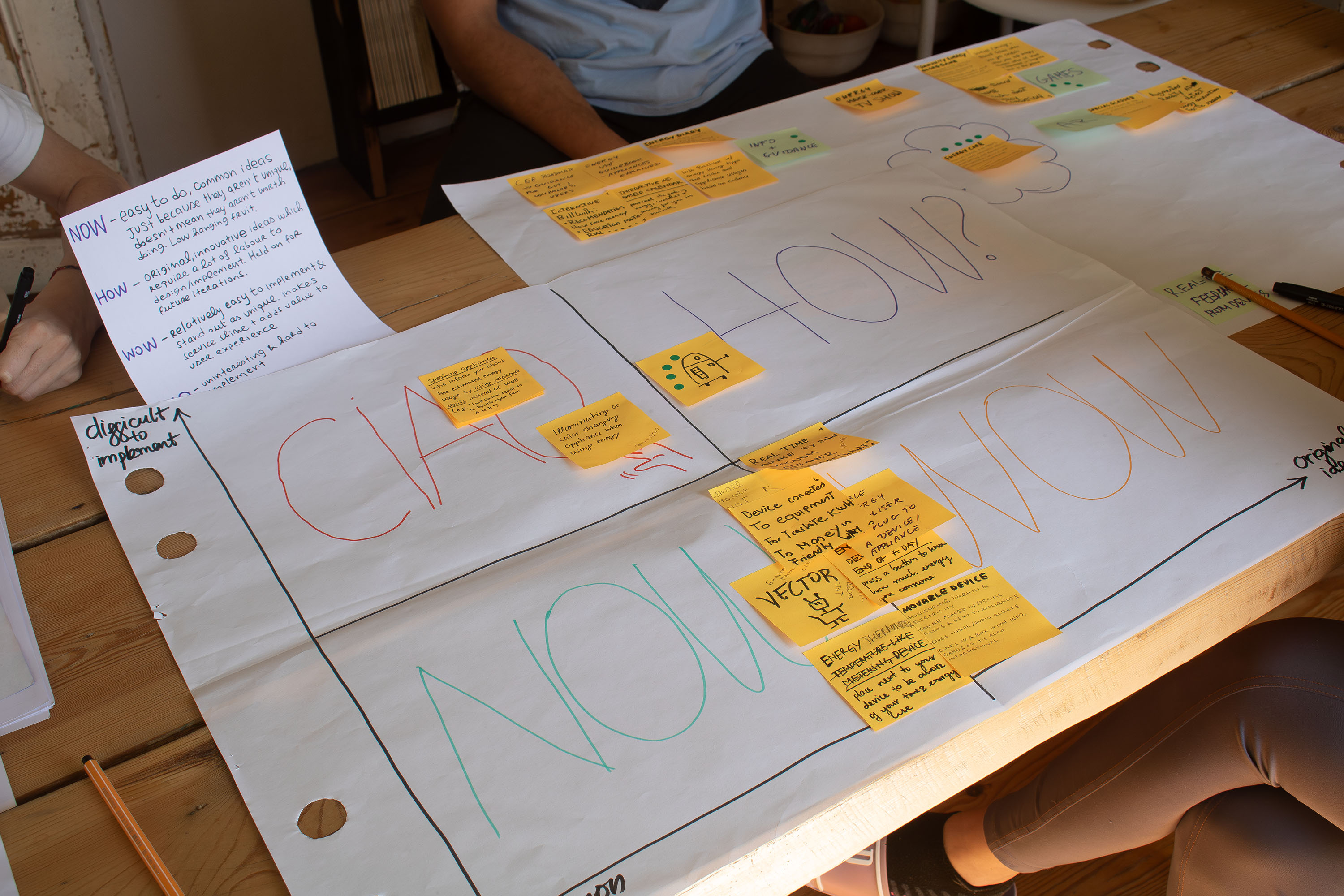
With this opportunity statement, we went into ideation, inviting local people to join our workshop where they participated in hands-on activities. This allowed us to observe their behaviours, gather their thoughts and ideas, and collect their creative drawings related to the opportunity statement. Then, we conducted team brainstorming, exploring various options, from board games to virtual reality, and from monitoring systems to energy cafés. Our initial prototype and testing focused on a smart kitchen appliance rental subscription service. We learnt that (1) people aren’t open to rent appliances, (2) they want to know the specific energy consumption of each appliance, (3) comparisons are more effective than detailed numerical data, (4) practical steps and tips help people take control, and (5) savings and impacts are more meaningful when framed in the context of the user’s home or local community.
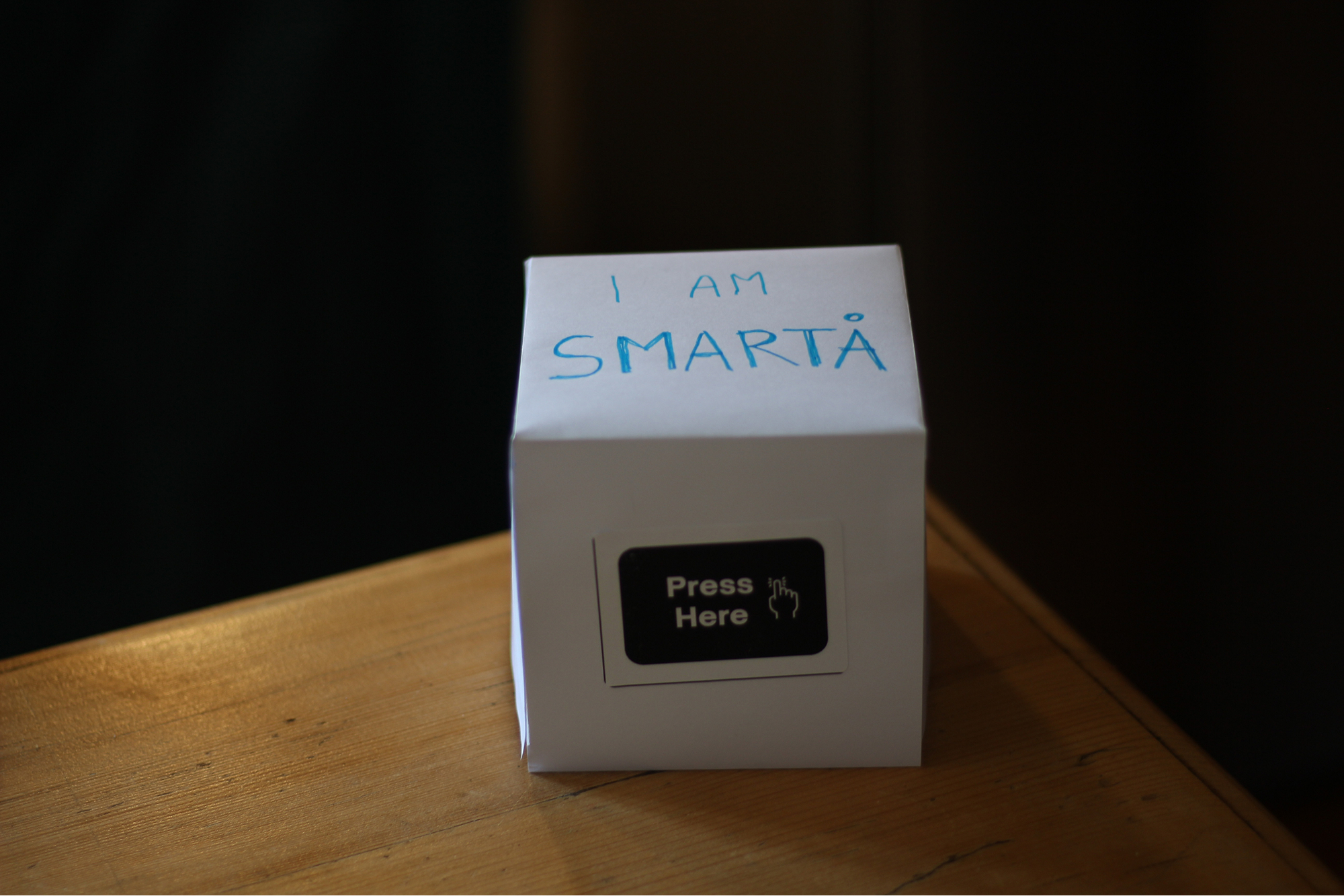
Smarto, a smart energy kit
The Smarto service delivers the insights and needs we discovered from the residents of Kuldīga over the course of six months. It is an educational kit, making energy use tangible and intuitive. It helps people track their consumption, set goals, and receive feedback and actionable tips through clear comparisons and visualisations. Our approach allows people to experience energy firsthand and make informed choices to save money while maintaining a comfortable home. Saving money, maintaining home comfort, and doing the right thing should be easy and go hand-in-hand. Smarto is:
Documentation
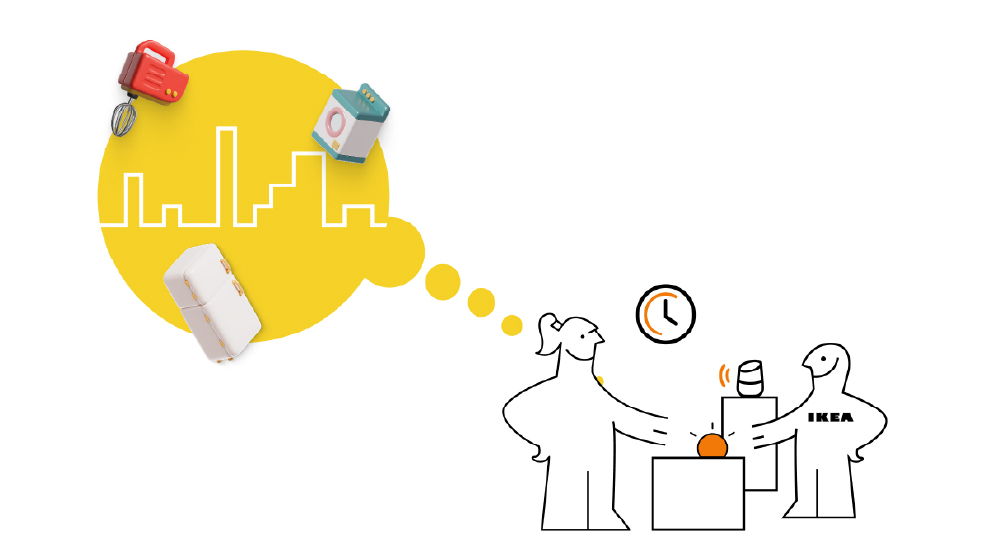
The concept of Smarto
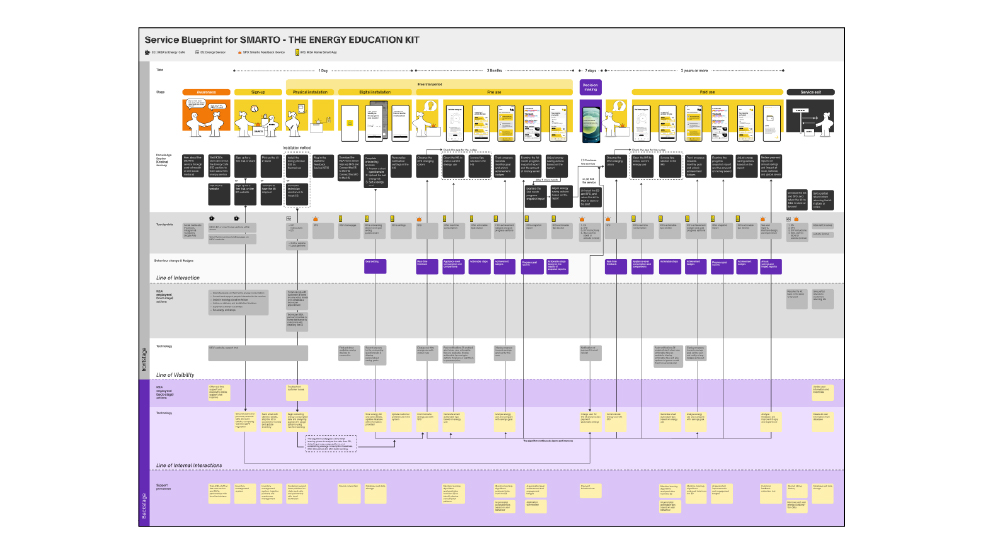
Service Blueprint
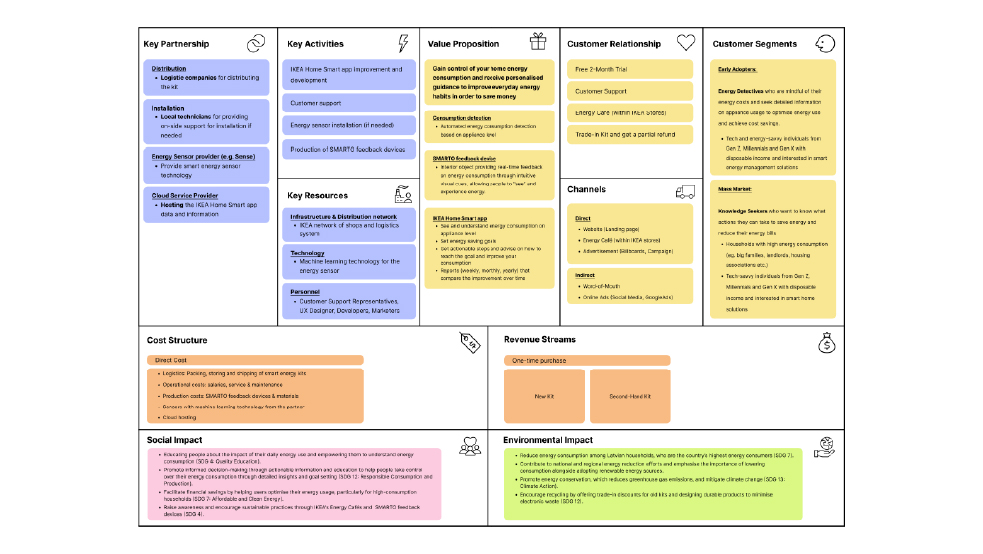
Business Model Canvas